
Electric dirt bikes stopped being a niche curiosity around 2024, and by 2026 they are genuinely competing with gas bikes on power, range, and ride feel. If you are trying to find the best electric dirt bike for your riding style, budget, or skill level, you are not alone. Searches for these bikes have climbed every year as battery tech gets better and prices come down.
This guide breaks down everything you need to know before buying one. We will walk through what actually matters when comparing models, show you the top picks across different budgets and riding styles, and point you toward deeper guides on specific topics like battery range, maintenance, and trail performance along the way.
Whether you are a weekend trail rider, a parent shopping for a teenager, or someone switching over from gas for good, this guide will help you land on the right bike without the guesswork.
Why Riders Are Switching to Electric Dirt Bikes
The shift toward electric is not just a trend chasing the latest tech. Riders are switching for practical reasons that affect how, where, and how often they can ride.
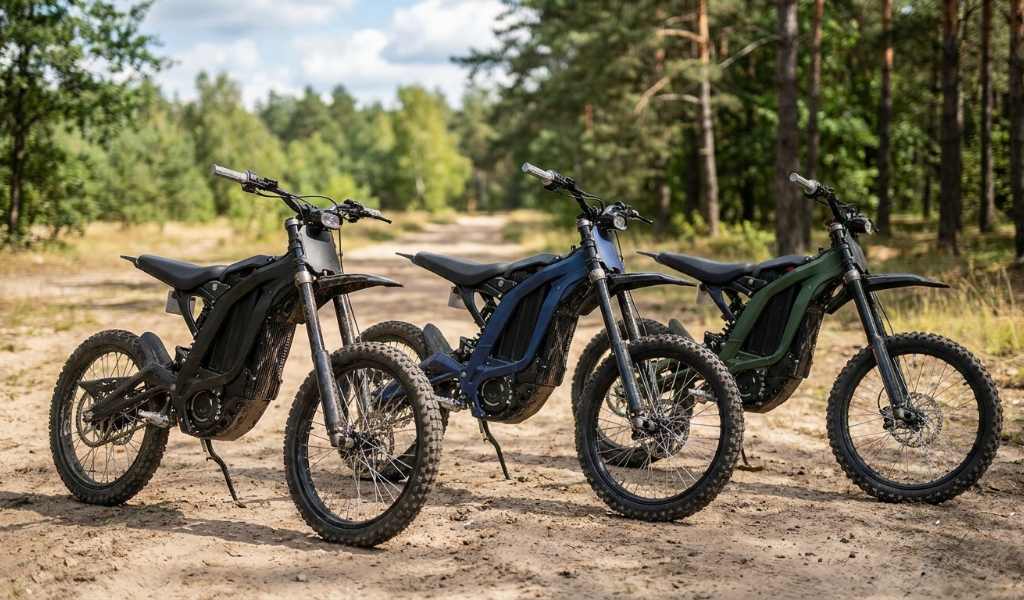
Noise is the biggest one. A gas dirt bike can hit 90 to 100 decibels. An electric model runs closer to 60, which is quiet enough to ride near neighborhoods, on private land near homes, or on trails where noise restrictions have shut gas bikes out entirely. This alone has opened up riding spots that were off-limits for years.
Instant torque changes how the bike feels. Electric motors deliver full torque the moment you twist the throttle, with no clutch, no gear shifting, and no revving up to find power. For beginners, this makes the learning curve shorter. For experienced riders, it means sharper acceleration out of corners and up climbs.
Running costs drop significantly. No gas, no oil changes, no air filters, no carburetor cleaning. Charging a dirt bike battery costs a few cents compared to several dollars in fuel, and the simpler drivetrain means fewer parts wear out.
Lower maintenance means more riding time. Gas bikes need regular top-end rebuilds, valve adjustments, and carb tuning. Electric bikes mostly need chain tension checks, brake pad monitoring, and the occasional software update.
None of this means gas bikes are obsolete. It just means electric has closed the performance gap while adding real advantages that matter for everyday riders.
What to Look For Before Buying
Most buying guides throw specs at you without explaining why they matter. Here is what actually affects your riding experience, in order of importance.
Motor power. Entry-level bikes sit around 3,000 to 5,000 watts, which is fine for beginners, teens, or light trail use. Mid-range bikes run 6,000 to 8,000 watts and handle most adult trail riding comfortably. Performance bikes push past 10,000 watts and compete directly with 250cc to 450cc gas motocross bikes.
Battery capacity and range. This is the single most common complaint among new electric dirt bike owners, usually because they did not check real-world range before buying. We cover this in detail in our full breakdown of electric dirt bike battery range, but as a quick rule: expect 20 to 40 miles of trail riding per charge on most mid-range bikes, less in aggressive terrain or cold weather.
Weight and frame size. A lighter bike is easier to control and maneuver, but it often sacrifices suspension travel and stability at speed. Match the frame size to your height and riding style rather than buying the most powerful bike you can afford.
Suspension and ground clearance. If you plan to ride actual trails rather than flat dirt lots, you need adjustable suspension with real travel, not a budget bike’s stiff, non-adjustable setup.
Brakes. Electric dirt bikes build speed faster than most riders expect because there is no engine braking to rely on. Hydraulic disc brakes front and rear are worth paying extra for.
Price range. Budget bikes start around $1,200 to $2,000. Mid-range adult trail bikes run $3,000 to $6,000. Performance-focused models from established brands can reach $8,000 to $13,000.
Best Electric Dirt Bikes in 2026
Here are the models worth your attention this year, picked across different budgets and riding goals rather than just one “best overall” winner, because the right bike depends heavily on who is riding it.
| Bike | Best For | Motor | Approx. Price |
| Sur-Ron Light Bee X | Beginners and all-around trail riding | ~6kW | $3,500 to $4,500 |
| Talaria Sting Pro MX5 | Riders who want more power and a sealed gearbox | ~8kW | $4,500 to $5,500 |
| Stark Varg EX | Serious enduro and motocross riders | 60 to 80 hp | $10,900 to $11,900 |
| Zero FX | Dual-sport riders who want street-legal flexibility | ~7.3 hp | $9,000 to $11,000 |
| Entry-level mini (Hiboy, Hiboy-style) | Teens and light trail riders | 3,000 to 3,500W | $1,200 to $2,000 |
Sur-Ron Light Bee X
This is the bike most people picture when they hear “electric dirt bike.” It has been around long enough to build a huge aftermarket parts and accessory scene, and it strikes a solid balance between weight, power, and price. It is a great starting point if you are not sure yet how serious you want to get.
Talaria Sting Pro MX5
Built as a direct answer to the Sur-Ron, the Sting Pro swaps the belt drive for a sealed gearbox, which means less maintenance and better reliability over time. It runs heavier and more powerful, which suits riders who have outgrown entry-level bikes.
Stark Varg EX
This is where electric dirt bikes stop being an alternative to gas bikes and start beating them outright. With output rivaling a 450cc four-stroke and a claimed six-hour battery life on moderate trail riding, the Varg EX is built for riders who take their enduro and motocross seriously. The price reflects that.
Zero FX
If you want a bike that can legally handle street sections between trails, the Zero FX is the most established option on this list. It is heavier and less trail-focused than the others here, but the flexibility of street-legal registration is worth it for some riders.
Entry-level minis
For teens or riders who just want to try electric before committing serious money, budget mini dirt bikes in the $1,200 to $2,000 range deliver real off-road capability without the price tag of the bikes above. Just keep expectations realistic on range and top speed.
If you want a closer look at how specific brands stack up against each other beyond these five picks, our full guide on the best electric dirt bike brands breaks down build quality, parts availability, and long-term support for each manufacturer.
Electric vs Gas: The Quick Version
The electric versus gas debate comes up in every dirt bike forum, and the honest answer is that neither one wins outright. Electric bikes win on noise, running cost, and low-end torque. Gas bikes still win on top-end power for full-size motocross racing, sustained long-distance range, and the ability to refuel in two minutes instead of waiting out a charge.
For most trail riders, commuters, and beginners, electric now covers the gap well enough that the decision comes down to riding style rather than raw performance. If you want the full side-by-side on cost of ownership, resale value, and performance numbers, check out our complete electric dirt bike vs gas dirt bike comparison.
Top Brands Worth Knowing
The electric dirt bike market is still young compared to gas motorcycles, which means brand reputation and parts support matter more than usual. A few names have separated themselves from the crowd.
Sur-Ron built its reputation as the bike that proved electric dirt bikes could be fun, not just functional. It has the largest aftermarket scene of any brand on this list.
Talaria entered later but focused on fixing the Sur-Ron’s known weak points, particularly the belt drive, with a sealed gearbox design that holds up better over time.
Stark Future is the brand pushing electric dirt bikes into territory gas bikes used to own exclusively, with performance numbers that genuinely compete with 450cc motocross machines.
Zero Motorcycles has been building electric motorcycles longer than almost anyone, and that experience shows in build quality and street-legal options.
None of these brands are interchangeable, and picking the wrong one for your riding style will cost you more than picking the wrong model within the right brand. Our dedicated guide to the best electric dirt bike brands goes deeper on warranty support, parts availability, and which brand fits which type of rider.
Battery and Range Explained
Battery range is the single most misunderstood spec in this entire category, and marketing numbers rarely match real-world riding. A bike advertised with 60 miles of range on a flat paved test loop might only deliver 20 to 25 miles on an actual trail with hills, mud, and an aggressive riding style.
A few factors swing range more than most buyers expect: rider weight, terrain difficulty, riding speed, and temperature. Cold weather alone can cut usable range by 20 percent or more. If range anxiety is a dealbreaker for you, look for bikes with swappable battery packs so you can carry a spare rather than waiting out a full charge.
For a complete breakdown of real-world range by bike type, charging times, and how to stretch your battery further, read our full guide on electric dirt bike battery range.
Trail Riding Performance
Electric dirt bikes are no longer just toys for flat lots and backyard laps. Modern mid-range and performance models handle real trail conditions, including hill climbs, loose gravel, roots, and technical single-track, without the hesitation older electric models had.
The instant torque that makes electric bikes beginner-friendly on flat ground becomes a double-edged sword on technical trails. It gives you immediate control over obstacles, but it also means the rear wheel can spin up faster than expected on loose surfaces, so new riders need to learn smoother throttle control than they would on a gas bike with gradual power delivery.
The quiet operation is also a genuine trail advantage. You can hear your tires, your suspension, and the trail itself, which many riders say actually improves their awareness and control once they adjust to it.
Want to know which models handle technical terrain best and how to adjust your riding style for electric power delivery? Our full guide on electric dirt bike trail riding covers both in detail.
Maintenance Basics
One of the biggest selling points of electric dirt bikes is how little upkeep they need compared to gas bikes, but “low maintenance” does not mean “no maintenance.” Skipping basic care still shortens the life of your bike and your battery.
The main things to stay on top of are chain tension and lubrication, brake pad wear, tire pressure, and keeping the battery between roughly 20 and 80 percent charge for daily storage rather than constantly running it flat or leaving it topped off at 100 percent. Software updates also matter more on electric bikes than most new owners expect, since many performance and safety settings are controlled digitally.
For a full checklist covering chain care, battery storage, connector inspection, and seasonal maintenance, our guide on electric dirt bike maintenance tips walks through exactly what to check and how often.
Who Should Buy What
Matching your riding goals to the right bike matters more than chasing the highest spec sheet. Here is a quick way to narrow it down.
- New to dirt biking entirely: Start with an entry-level mini or the Sur-Ron Light Bee X. Lower power means a gentler learning curve.
- Teen rider: A budget mini in the 3,000 to 3,500 watt range gives real off-road capability without more power than a new rider needs.
- Weekend trail rider, already comfortable on two wheels: The Talaria Sting Pro MX5 or Sur-Ron Light Bee X both handle moderate trails well without the price tag of performance models.
- Serious enduro or motocross rider: The Stark Varg EX is built to compete directly with gas bikes and priced accordingly.
- Rider who needs street-legal flexibility: The Zero FX bridges street and trail riding better than anything else on this list.
If none of these fit perfectly, use the buying criteria earlier in this guide to weigh your own priorities against what each bike actually delivers.
Frequently Asked Questions
What is the best electric dirt bike for beginners?
The Sur-Ron Light Bee X is the most common recommendation for new riders because of its manageable power delivery, large aftermarket support, and balanced price point.
Do electric dirt bikes need a license?
In most places, no license is required for off-road use, though rules vary by state and country. Street-legal models like the Zero FX require normal motorcycle licensing since they are registered for road use.
How long do electric dirt bike batteries last before replacement?
Most lithium batteries hold up well for 500 to 1,000 charge cycles before noticeable capacity loss, which typically translates to 3 to 5 years of regular riding.
Are electric dirt bikes legal on public trails?
This depends entirely on local regulations. Many trail systems that ban gas bikes due to noise allow electric models, but always check local rules before riding.
Can electric dirt bikes handle rough or muddy terrain?
Yes, mid-range and performance models are built with real suspension travel and weatherproofing for genuine off-road use, though extreme mud and water crossings still call for caution regardless of power source.
Is an electric dirt bike worth it over a gas bike?
For most riders focused on trail riding, low maintenance, and quiet operation, yes. Riders focused purely on long-distance range or competitive racing may still prefer gas for now.
Final Thoughts
There is no single best electric dirt bike for everyone. The right choice comes down to your riding experience, your budget, and what you actually plan to do on the bike, whether that is casual trail rides, serious enduro competition, or just teaching a teenager the basics.
Start with the buying criteria covered earlier, narrow down your options using the picks above, and dig into the linked guides on battery range, maintenance, brands, and trail riding before you commit to a purchase. Electric dirt bikes have earned their place alongside gas bikes, and with the right research, you will end up with a bike that actually fits how you ride.