
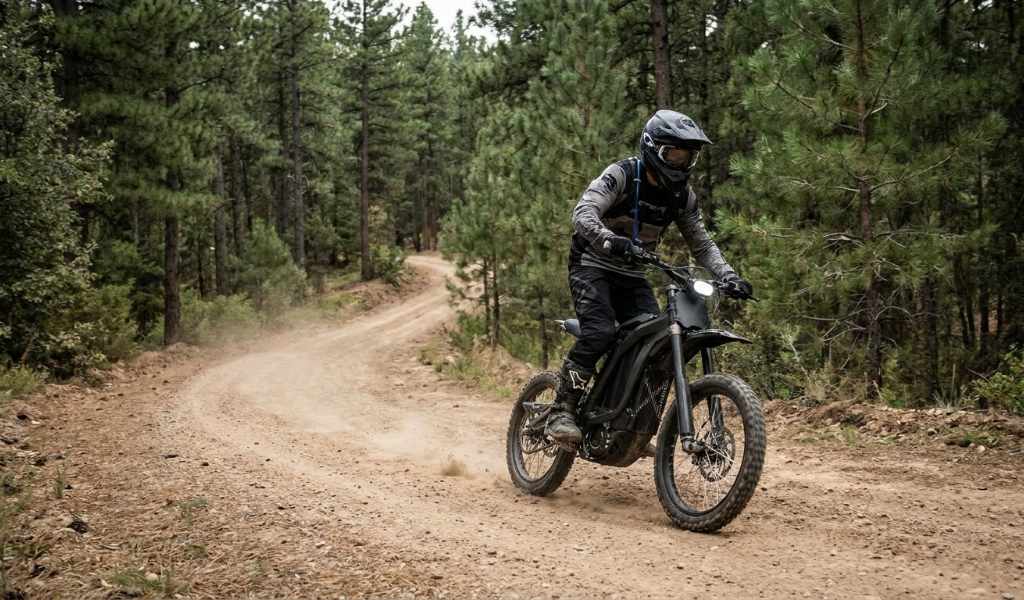
Electric dirt bikes used to be dismissed as backyard toys, fine for flat lots but not real trail machines. That reputation is outdated. Modern mid-range and performance electric bikes handle hill climbs, loose gravel, roots, and technical single-track without hesitation.
But trail riding on an electric bike is not identical to riding a gas bike on the same terrain. The power delivery feels different, your awareness of the trail changes without engine noise, and a few habits that work fine on gas bikes can get you into trouble on electric. This guide covers what actually changes once you take an electric dirt bike off the flat lot and onto real trails.
Throttle Feel Is Different on Trails
Instant torque is one of the best things about electric dirt bikes, but it can also catch new riders off guard on loose or technical terrain. Unlike gas bikes, where power builds gradually as the revs climb, electric bikes deliver full torque as soon as you open the throttle. The rear wheel can spin up faster than expected on gravel, sand, or wet roots. Proper bike maintenace can help keep your electric dirt bike performing reliably.
The fix is smoother, more deliberate throttle control rather than the snap-and-go habit many riders bring over from gas bikes. Rolling the throttle on gradually, especially in low-traction sections, gives you far more control than you would guess from how the bike feels on flat, hard-packed ground.
Handling Technical Terrain
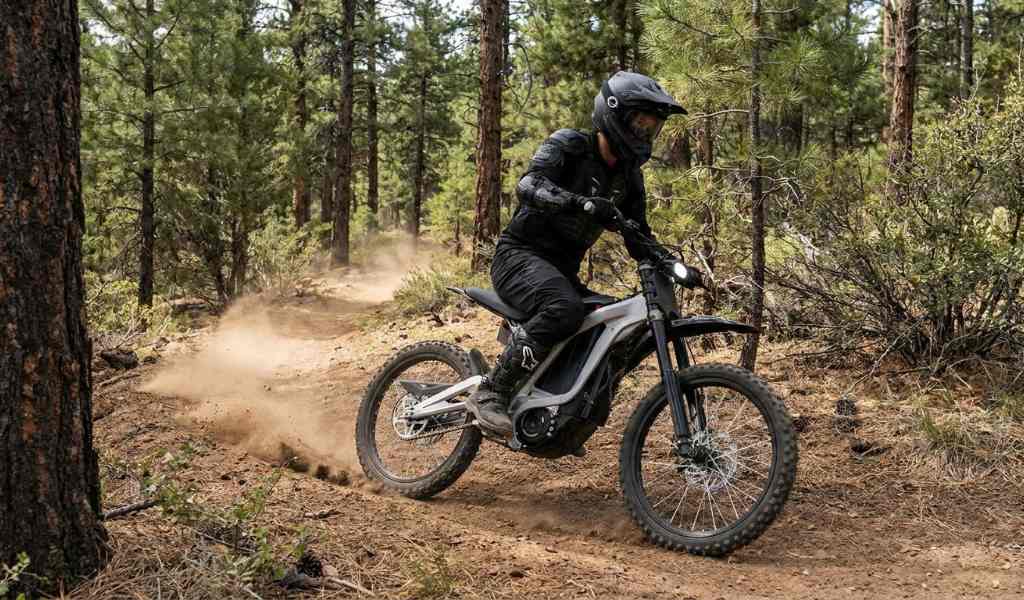
Roots, rocks, and loose gravel all demand the same basic skill regardless of what powers your bike: keeping momentum steady without sudden bursts of power. Electric bikes reward riders who stay smooth through technical sections and punish riders who stab at the throttle to power through obstacles.
Standing on the pegs through rough sections gives you better control and absorbs impacts more effectively than sitting, the same as it does on a gas bike. Where electric bikes differ is in weight distribution. Many electric dirt bikes carry their battery low and central in the frame, which can make the bike feel more stable through rock gardens and uneven terrain than a similarly sized gas bike.
Tire choice matters just as much on electric bikes as gas bikes. Stock tires on budget models are often built for general use rather than technical trails, so upgrading to a more aggressive tread if you ride rough terrain regularly is worth the cost.
Hill Climbs and Descents
Instant torque makes electric dirt bikes genuinely good at hill climbs. There is no need to downshift or rev up before a steep section, since full power is already available at any speed. Keep steady, controlled throttle input on the way up rather than sudden bursts, which can cause wheel spin and lose momentum right when you need it most.
Descents require more caution than most new riders expect, mainly because there is no engine braking to slow you down the way there is on a gas bike coasting downhill. Rely on your brakes rather than throttle control to manage speed on the way down, and feather both front and rear brakes together rather than grabbing the front brake hard, which can lock the front wheel on loose or steep terrain.
Trail Access and Noise Rules
One of the biggest practical advantages of trail riding on an electric bike is access. Many trail systems and private land areas that ban gas dirt bikes due to noise allow electric models, since a typical electric bike runs around 60 decibels compared to 90 to 100 for gas. That quiet operation has opened up riding spots that would otherwise be completely off-limits.
Rules still vary a lot by location, so always check local regulations before assuming an electric bike is welcome somewhere a gas bike is not. Some trail systems have no distinction at all between electric and gas, while others have opened specific trails or hours exclusively for quieter electric riding.
If you are still deciding which model fits your trail riding goals and budget, our complete guide on the best electric dirt bike breaks down the top picks for 2026 by power, suspension, and price, which makes it easier to match a bike to the kind of trails you actually plan to ride.
Beyond access, the quiet ride itself changes how you experience the trail. Many riders report hearing their tires, suspension, and surroundings far more clearly once engine noise is out of the picture, which some say actually improves trail awareness once they adjust to it.
Riding Gear and Safety
Safety gear requirements do not change just because the bike is quieter. A full-face helmet, goggles, gloves, boots, and body armor are just as important on an electric dirt bike as a gas one, since the risks of a crash on rough terrain are identical regardless of what powers the bike.
The one real difference worth planning for is communication. Because electric bikes are so quiet, riders in a group may not hear each other approaching the way they would with gas bikes. If you ride with others, agree on hand signals or stay within clear sightlines, especially when passing on narrow single-track.
Planning Rides Around Range
Trail riding drains a battery faster than flat, casual riding, especially with hill climbs, loose terrain, and aggressive throttle use. Expect real-world range on technical trails to land toward the lower end of your bike’s rated range rather than the upper end advertised in marketing.
Plan routes with your actual range in mind rather than the optimistic number on the spec sheet, and if you are riding somewhere remote, always leave enough buffer to get back rather than riding until the battery is nearly empty. Carrying a spare battery, if your bike supports a swappable pack, removes most of this concern for longer days out on the trail.
Ready for the Trail
Electric dirt bikes have earned a real place on the trail, not just the flat lot. Smoother throttle control, awareness of range, and the same safety habits that apply to any off-road riding will get you most of the way there. The quiet ride and wider trail access are the real reward once you adjust to how the power delivery feels.