
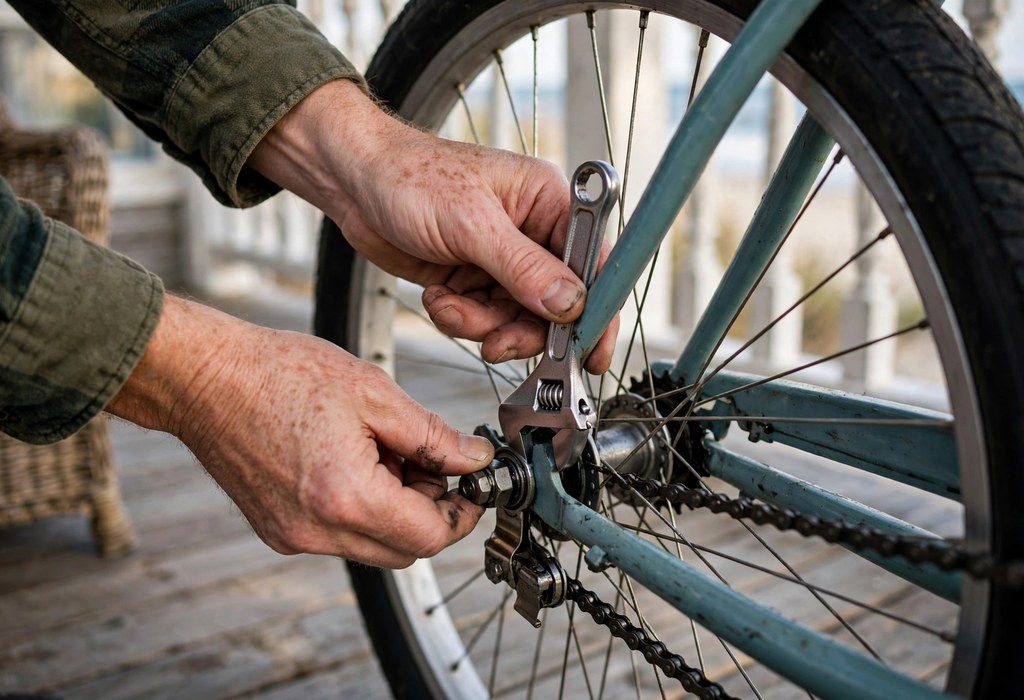
Cruiser brake problems usually trace back to dirt, worn pads, or dry hubs. Most problems respond well to cleaning, careful adjustment, and basic hand tools at home. Start with the symptom, work through one fix at a time, and test gently before regular riding.
Coastal riding adds sand, moisture, and salt residue to every moving brake part. Therefore, cruisers parked near the shore often develop noise sooner than inland bikes. Fortunately, a calm afternoon of inspection usually restores quiet, confident stopping power.
First, identify whether your cruiser uses a coaster brake, a hand brake, or both systems together. Next, match the noise or feel to the likely cause before you loosen any bolt. Finally, keep notes on each change so you can reverse a step that makes braking worse.
Cruiser Brake Problems Basics And How Brakes Work
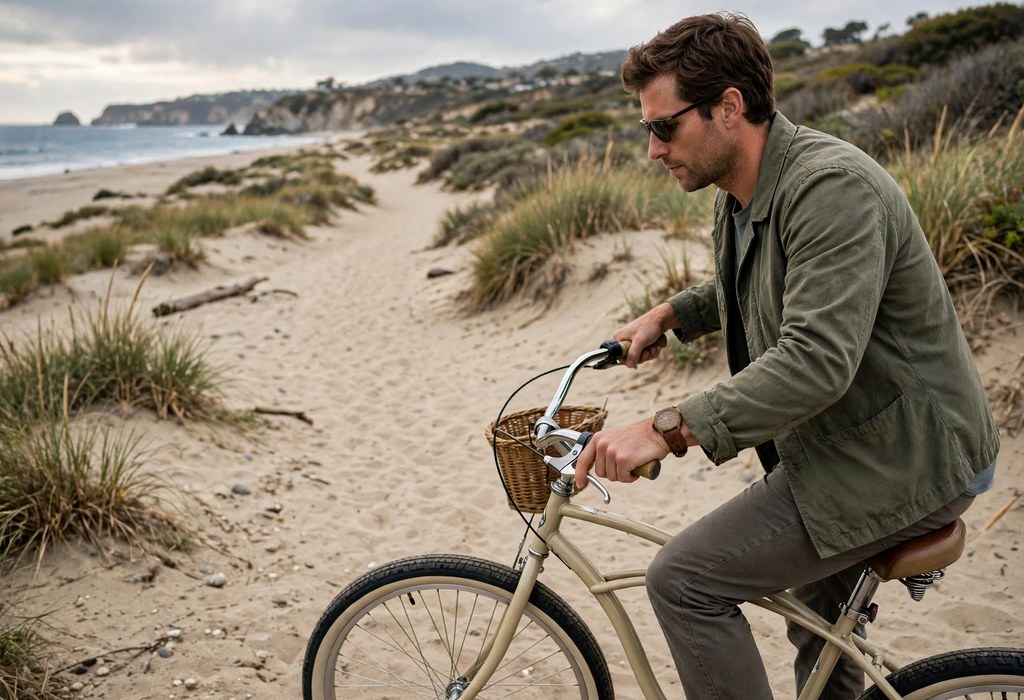
A coaster brake stops the rear wheel when you pedal backward with steady pressure. Many riders choose a beach cruiser bike for relaxed coastal rides and simple rear braking. Inside the rear hub, brake shoes press outward against the hub shell and create friction.
Hand brakes work differently because a lever pulls a cable that squeezes pads onto a rim. Similarly, disc brakes use pads inside a caliper to grip a spinning rotor near the hub. Consequently, knowing your brake type prevents wasted effort on the wrong adjustment.
Cruiser Brake Problems Squeaky Brake Fixes Step By Step
Squeaks often start when sand, grit, or dried salt coats pads, rims, or hub surfaces. First, wipe rims and exposed pads with a clean rag dampened with rubbing alcohol. Next, pick out embedded grit carefully and scuff glazed pads lightly with fine sandpaper.
Coaster brake squeaks may come from dry grease inside the rear hub instead. Add only hub-safe grease or heavy oil through the filler hole when your hub provides one. Meanwhile, avoid slippery additives because they reduce friction and weaken stopping power badly.
Cruiser Brake Problems Weak Stopping Power Fixes
Weak brakes feel soft, slow, or uncertain even when you apply firm, steady pressure. First, check pad thickness, cable tension, and chain tension before you replace any parts. Also, glazed pads or a polished hub shell can slip instead of gripping firmly.
Lightly sand glazed pads and hub surfaces to restore a rough, grippy contact surface. Then, tighten a stretched hand brake cable gradually with the barrel adjuster near the lever. Afterward, test braking at walking speed in a quiet, flat area away from traffic.
Coaster brake power also depends on pedal leverage and correct rear wheel alignment. If the rear wheel sits crooked, the brake arm may bind and reduce braking force. Therefore, center the wheel, secure the axle nuts evenly, and recheck chain tension.
Cruiser Brake Problems Grinding, Dragging, And Sticking
Grinding usually signals worn pads, trapped grit, or metal parts rubbing where they should not. Stop riding promptly when grinding starts because continued use damages rims, rotors, or hubs. Next, inspect pads for thin friction material and look for scoring on braking surfaces.
Dragging brakes slow the wheel even when you release the lever or stop backpedaling. First, check for a bent rotor, a misaligned caliper, or a tight coaster hub cone. Also, loosen an overtightened cone slightly and spin the wheel to confirm free movement.
Sticking brakes may result from rust, dried grease, or a kinked cable housing. Clean the pivot points gently, then apply a small amount of suitable lubricant away from friction surfaces. Finally, replace a frayed or kinked cable rather than forcing a damaged cable to work.
Cruiser Brake Problems From Salt Air And Coastal Wear
Coastal moisture settles on steel parts and slowly encourages rust around brakes and fasteners. Regular cleaning helps prevent salt air rust on a beach cruiser bike from weakening brake hardware. Wipe brake arms, bolts, and exposed steel after coastal rides and dry the bike thoroughly.
Meanwhile, watch for orange dust, stiff pivots, or swollen cable housings after damp storage. Scrub light surface rust gently with fine steel wool and protect clean metal afterward. However, replace deeply pitted bolts or cracked housings instead of trusting weakened parts.
Cruiser Brake Problems Hand Brake, Cable, And Pad Adjustments
Hand brakes lose power when cables stretch, pads wear unevenly, or calipers drift off center. First, squeeze each lever slowly and watch whether both pads meet the rim together. Next, center the caliper by hand and tighten its mounting bolt while holding the lever.
- Pad alignment: Position each pad squarely on the braking surface without touching the tire. Check alignment from above and behind before you tighten the pad bolt.
- Cable tension: Turn the barrel adjuster gradually until lever travel feels firm but not tight. Test the wheel spin after each small turn to prevent dragging.
- Pad wear: Replace pads when grooves disappear or friction material looks thin and uneven. Keep new pads clean during fitting and avoid touching their braking faces.
Finally, bed in new pads with repeated gentle stops on a safe, flat stretch. Allow cooling time between stops so fresh pads build an even transfer layer. Consequently, properly bedded pads stop more quietly and grip more predictably afterward.
Compare Braking On Single Speed And Geared Cruisers
Geared cruisers add hand brakes, shifters, and cables that single speed coaster models often lack. Understanding single speed vs geared beach cruiser bikes helps you inspect the correct brake system first. Coaster models rely on chain drive, so a slipped chain can suddenly remove rear braking.
Therefore, geared cruiser owners should check both hand brakes during every routine inspection. Meanwhile, single speed owners should focus on hub grease, brake arm security, and chain tension. Finally, never assume a second brake will compensate for a failed primary brake system.
Use A Simple Safety Check Before Every Ride
Begin each ride with a slow roll and a gentle brake test in a safe space. Next, listen for squeaks, watch for wheel wobble, and feel for uneven lever travel. Also, confirm the coaster brake arm stays clamped securely to the frame stay.
Frequently Asked Questions
Why Do My Beach Cruiser Brakes Squeak?
Squeaks usually mean dirt, glazing, or dry parts need cleaning and light adjustment first.
Why Does My Coaster Brake Feel Weak?
Weak braking often comes from glazed surfaces, loose alignment, or stretched cables on hand brake models.
Can I Fix Beach Cruiser Brakes At Home?
Most cleaning and adjustment jobs suit home tools, while hub rebuilds suit experienced mechanics better.
How Do I Stop My Brakes From Dragging?
Check caliper alignment, cone tension, and cable routing, then retest wheel spin carefully.
When Should I Replace Brake Pads?
Replace pads promptly when grooves vanish, material thins, or grinding replaces normal braking sounds.
Conclusion
Quiet, reliable brakes make every coastal ride safer and far more enjoyable overall. Work through symptoms methodically, test each fix gently, and keep braking surfaces clean. Small, regular checks prevent most squeaks, drag, and weak stopping before they worsen.
Inspect your brakes this afternoon, complete one simple fix, and enjoy a smoother ride tomorrow. Share this guide with a fellow cruiser rider who hears a new brake noise. If problems persist, visit a trusted local bike shop for a professional safety inspection.
Cruiser brake problems often start with sand, salt, and worn pads. Fix cruiser brake problems early before stopping power fades dangerously. Inspect cruiser brake problems monthly if you ride coastal paths often.
Most cruiser brake problems need only cleaning, adjustment, or new pads.