
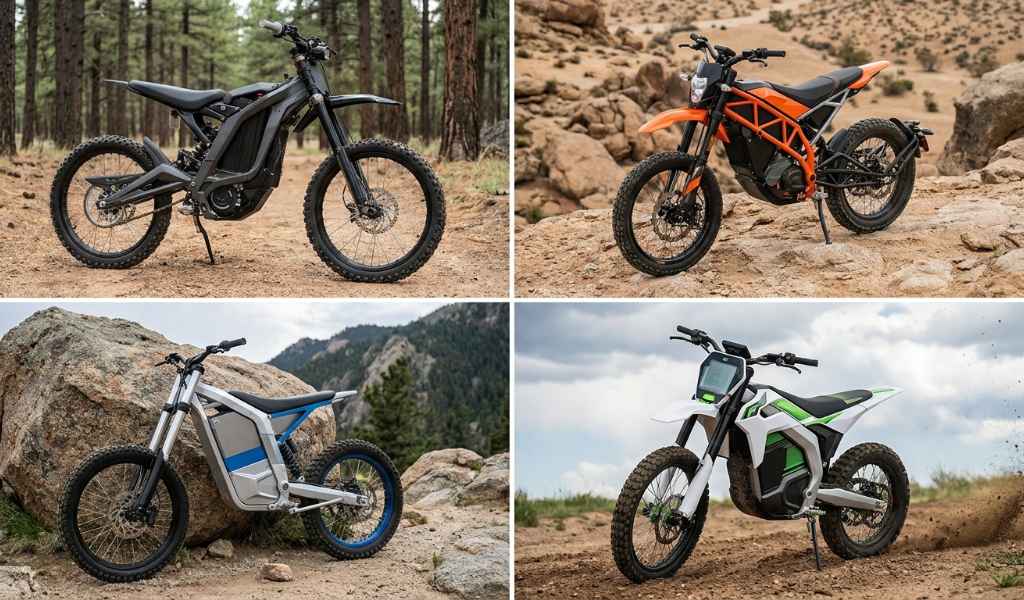
Gas dirt bike brands have decades of track record behind them. Electric dirt bike brands mostly do not, which means picking the right one matters more here than it does in almost any other vehicle category. A bad experience with a gas brand usually means paying more for parts. A bad experience with an electric brand can mean a company that stops supporting software updates, discontinues batteries, or disappears entirely.
This guide breaks down the brands actually worth your money in 2026, what each one does well, and where each one falls short.
Sur-Ron
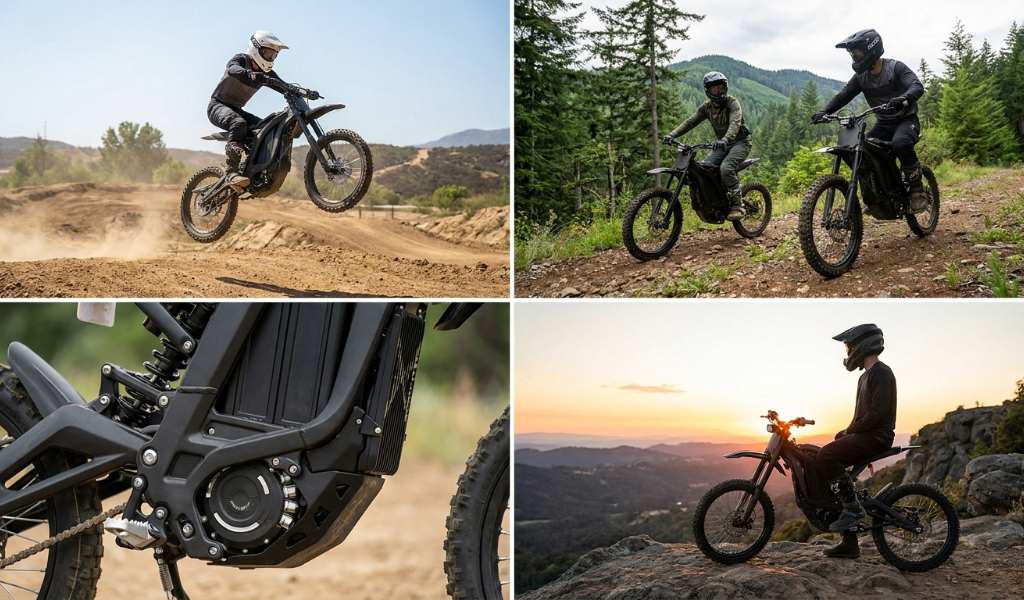
Sur-Ron is the brand most responsible for making electric dirt bikes mainstream. The Light Bee X proved that an electric bike could be genuinely fun to ride, not just a quiet alternative to gas, and it remains one of the best-selling electric dirt bikes on the market.
What Sur-Ron gets right is the aftermarket ecosystem. Because so many of these bikes are out there, parts, upgrades, and repair knowledge are easy to find compared to newer or smaller brands. What it gets less right is the belt drive on earlier models, which wears faster and needs more attention than a sealed gearbox.
Sur-Ron is a solid choice if you want a proven bike with strong community and parts support, especially as a first electric dirt bike.
Talaria
Talaria entered the market later than Sur-Ron and built its reputation by fixing the exact problems Sur-Ron riders complained about most. The Sting and Sting Pro models use a sealed gearbox instead of a belt drive, which holds up better over time and needs less frequent attention.
Talaria bikes tend to run heavier and more powerful than comparable Sur-Ron models, which appeals to riders who have outgrown entry-level bikes but are not ready for the price jump to performance brands like Stark. The tradeoff is a smaller aftermarket scene than Sur-Ron, simply because the brand has not been around as long.
Talaria is a strong pick for riders who want more power and lower long-term maintenance than a belt-drive bike offers.
Stark Future
Stark Future is the brand that changed what people expect from an electric dirt bike entirely. The Varg EX delivers output that genuinely competes with 450cc four-stroke motocross bikes, something that seemed years away before Stark actually shipped it.
This is a performance-first brand built for serious enduro and motocross riders, not casual trail use. The price reflects that positioning, sitting well above Sur-Ron and Talaria. Stark also builds its bikes with a rider-configurable setup through its app, letting you adjust power delivery and handling characteristics to your weight and style, which is a level of customization older gas bikes never offered.
Stark is the right call if you are racing or riding at a serious level and want electric performance that does not ask you to compromise.
Zero Motorcycles
Zero has been building electric motorcycles longer than almost anyone on this list, and that experience shows in overall build quality and reliability. The Zero FX stands out from the rest of this list because it is street-legal, which means you can ride it on public roads between trail sections rather than hauling it on a trailer everywhere.
That flexibility comes with trade-offs. The FX is heavier and less trail-focused than dedicated off-road bikes like the Sur-Ron or Talaria, so it is not the best pick for technical single-track riding. It is the best pick if you want one bike that handles both commuting and light off-road duty.
If you are still comparing these brands against specific models, prices, and specs side by side, our full guide on the best electric dirt bike covers the top picks across every budget for 2026 in one place.
Zero’s longer track record also means better long-term parts and software support than most competitors in this list, which matters if you plan to keep the bike for several years.
Budget Brands for Teens and Beginners
Below the established names above, there is a growing tier of budget brands making entry-level electric minis in the $1,200 to $2,000 range, aimed at teens and riders trying electric for the first time. These bikes typically run 3,000 to 3,500 watts, which is plenty for learning but well short of what adult trail bikes offer.
The risk with budget brands is inconsistency. Build quality, parts availability, and customer support vary a lot from one brand to the next, and some smaller companies do not stick around long enough to support their own products. Stick to brands with visible customer reviews, a real return policy, and some track record before buying, even at the entry level.
How to Evaluate a Brand Before Buying
Beyond the names above, a few questions help you judge any electric dirt bike brand on its own merits. Does the brand offer a real warranty, and has it honored warranty claims for other owners? Are replacement parts, including the battery, actually available, or do you have to import them? Does the company push regular software updates, or has support gone quiet after the initial release?
A brand that answers all three well is worth paying more for, even if a cheaper competitor looks identical on paper.
Bottom Line
Sur-Ron and Talaria dominate the mid-range trail category, Stark Future leads serious performance, and Zero offers the most street-legal flexibility. Below all of them sits a crowded field of budget brands that range from genuinely good to barely supported. Picking a brand with a real track record will save you more trouble than chasing the lowest price.