
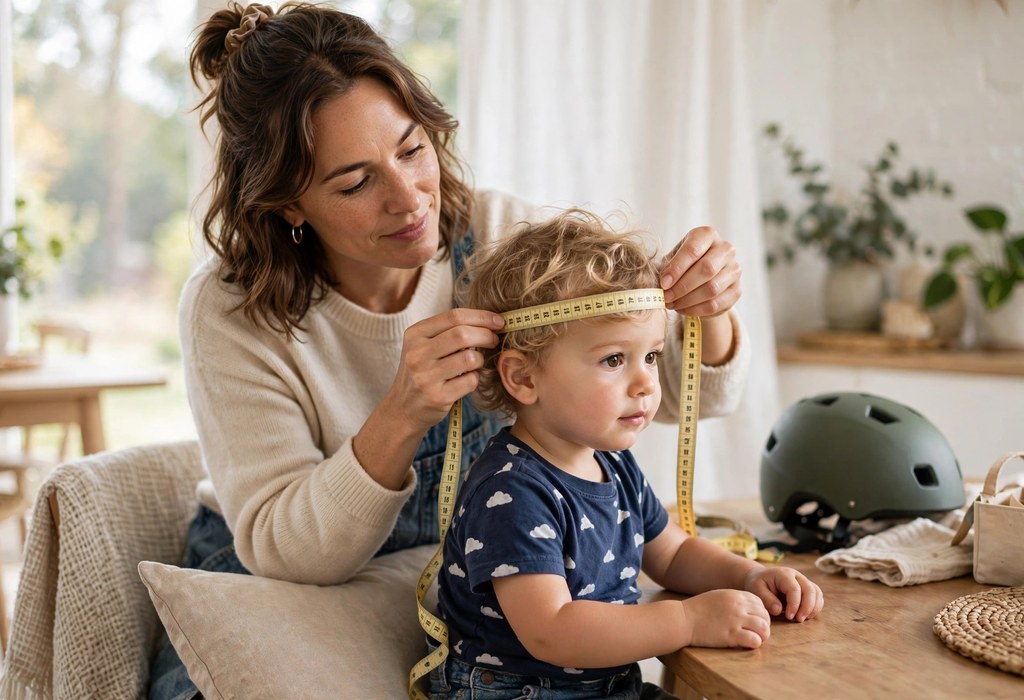
A snug helmet protects a baby or toddler only when it fits correctly. First measure the head circumference, then set the helmet level above the eyebrows. Finally adjust the side straps into a Y shape and tighten the chin strap.
Certified toddler helmets absorb crash energy through impact foam liners. However, a loose helmet can shift or fly off, leaving the forehead exposed. Therefore check the fit before every ride, because small heads grow quickly.
Learning the basics takes only a few minutes and pays off every ride. This guide walks you through measuring, positioning, strapping, and helmet replacement timing.
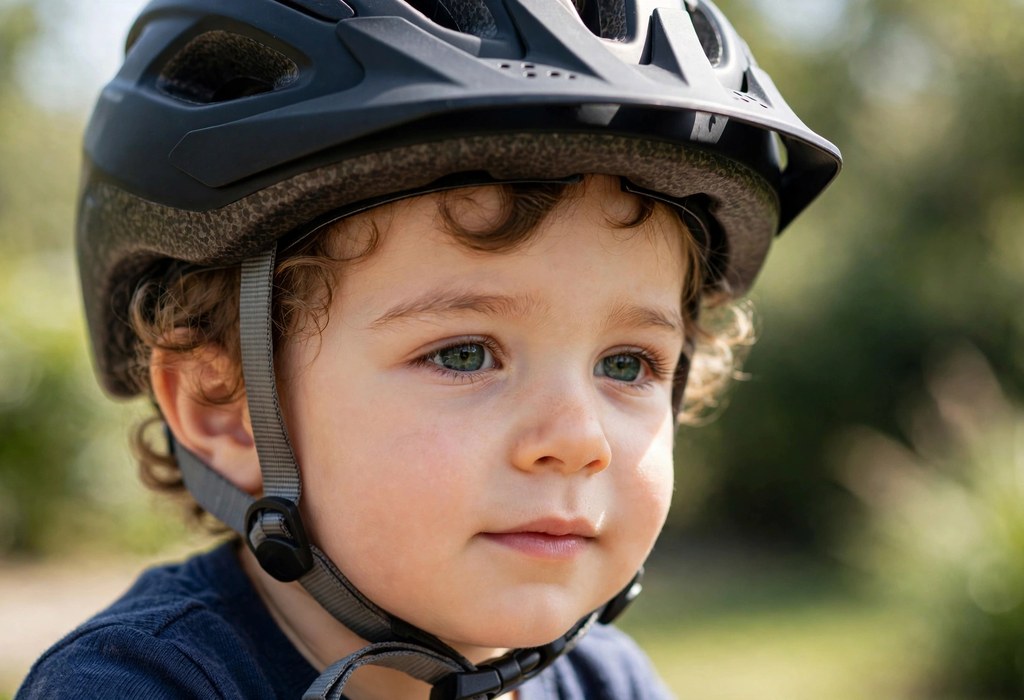
Choose a CPSC Certified Toddler Helmet
Start with a helmet certified to the CPSC bicycle helmet standard. Certification means the helmet passed impact, strap, and buckle tests. Check for the CPSC label inside the helmet before buying.
Pick a toddler-specific shape with extra coverage at the back. Many toddler models use a flat rear profile that suits bike seats. Flat rear profiles prevent the helmet from pushing the head forward. Vents and removable pads also add comfort without reducing safety.
Measure Head Circumference Correctly
Age charts offer a rough guess, but heads vary widely at the same age. Instead wrap a soft tape around the widest part of the head. Place it about one inch above the eyebrows and just above the ears.
Compare that number to the manufacturer’s size chart before buying. Most toddler helmets fit heads measuring about 46 to 52 centimeters. If the measurement falls between sizes, choose the smaller helmet for a snugger fit. Remeasure every couple of months, since toddlers grow fast.
Hairstyles and ponytails change the measurement slightly. Measure with the hairstyle your child usually wears. Recheck the fit after haircuts as well.
Keep these sizing notes in mind:
- Toddlers: 46 to 52 centimeters is the common range.
- Between sizes: pick the smaller one for a snug fit.
- Growth: remeasure every few months.
Proper sizing matters because a loose helmet cannot absorb impact forces well. Follow our baby bike seat safety guidelines whenever your child rides with you. Well-fitted helmets pair with safe seating for complete protection.
Position the Helmet Low and Level
Set the helmet directly on the crown, not tilted back. Its front edge should sit one or two finger widths above the eyebrows. The helmet must stay level, covering the forehead without blocking vision.
Use the rear dial or removable fit pads to fine-tune the fit. Tighten the dial until the helmet feels snug but not painful. Trade thick pads for thinner ones as your toddler grows.
Backward tipping exposes the forehead to injury. Shorten the front straps and retest the fit when it tips. Comfort matters too, since a fussy toddler may resist wearing it.
Form a Y Shape with the Side Straps
Slide the side strap adjusters until they meet just below each ear. Combined, the front and back straps form a Y shape on each side. Flatten any twists, since twisted straps dig into soft skin.
Adjusting the Y position works best while the helmet is off. Then put the helmet back on and confirm the placement. Roll the small rubber bands close to the straps to prevent slipping.
Buckle and Snug the Chin Strap
Clip the chin strap buckle closed under the chin. Snug it until only one finger fits between the strap and chin. Keep the buckle against the chin, not on the jaw.
Once strapped in properly, your child stays safe during every bike ride. Learn the details in our guide to securing a child in a bike seat. Strong straps plus good seating protect your little passenger completely.
Check the Fit Before Every Ride
Ask your toddler to yawn widely while wearing the helmet. Downward tugging on the head shows good strap tension. Add tension to the chin strap when nothing moves.
Next have your child shake the head side to side. It should stay put without sliding or rocking. Also check that your child can look up and see the front edge. Push the helmet front to back at the end; it should barely move.
Review the straps often, because they loosen during active play. Redo the yawn and shake tests after any adjustment. Teach older toddlers to point out pinching or pressure.
Know When Helmet Replacement Is Due
Replace the helmet after any crash impact, even without visible damage. Impact foam compresses once and cannot protect twice. Plan a new helmet every five years, since sunlight and sweat degrade materials.
Never buy a used helmet, because you cannot know its history. Avoid sizing up for growth, since an oversized helmet shifts dangerously. Buy for the current head size and check the fit often.
Sunlight, heat, and sweat wear down straps and foam over time. Store the helmet indoors and away from hot car dashboards. Inspect the shell for cracks and the foam for dents monthly.
Frequently Asked Questions
How should a bike helmet fit a toddler?
Level above the eyebrows, snug all around, and still when shaken defines a good fit.
How tight should the chin strap be?
Leave room for only one finger between the strap and your child’s chin.
At what age can a baby wear a bike helmet?
Wait until your baby turns one and can sit steadily; younger infants should not ride bikes.
How do I measure my toddler’s head circumference?
Wrap a soft tape above the eyebrows around the widest part, then check the size chart.
When should I replace my child’s bike helmet?
Swap it out after any crash impact or drop, and every five years even without damage.
Conclusion
Good helmet fit gives your toddler real protection on every ride. Checklist in hand: measure, position, strap, and recheck before heading out. Ride safe, and enjoy every mile together.