
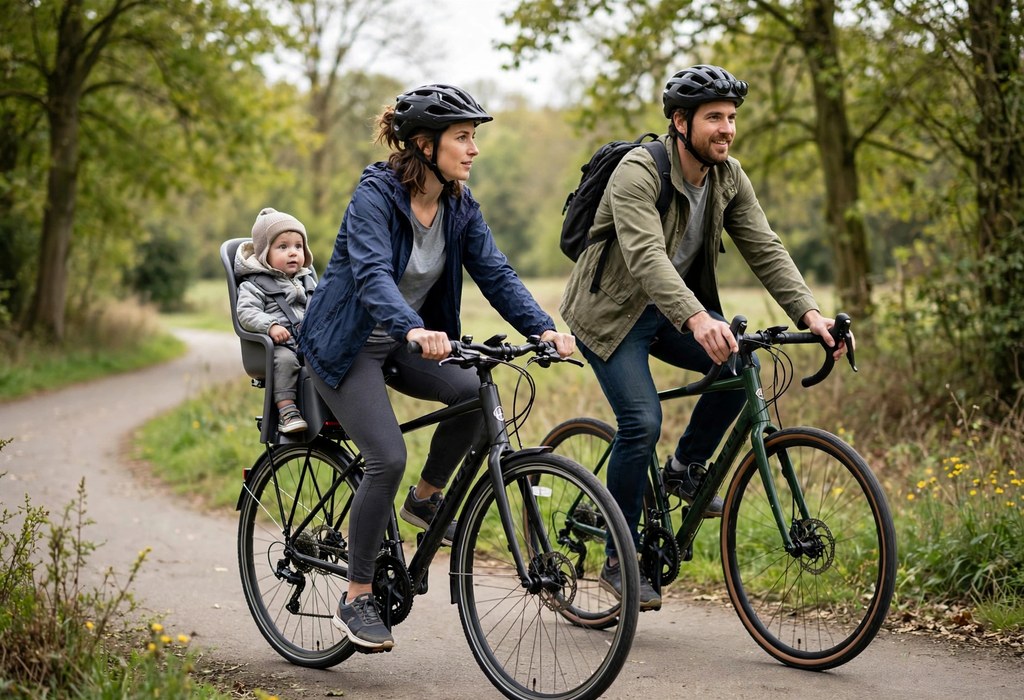
For most families, a bike trailer provides a safer overall ride. Its low center of gravity and protective frame add real security. A baby bike seat, however, keeps your child closer and makes quick trips simpler.
Choosing between a baby bike seat and a bike trailer depends on your riding habits and priorities. Each option carries distinct safety tradeoffs, storage needs, and comfort features. This comparison breaks down the key differences so you can decide confidently.
Both options let families enjoy cycling together, yet they protect children in different ways. Trailers enclose your child inside a roll cage with a weather cover. Seats mount directly on your bike and raise its center of gravity.
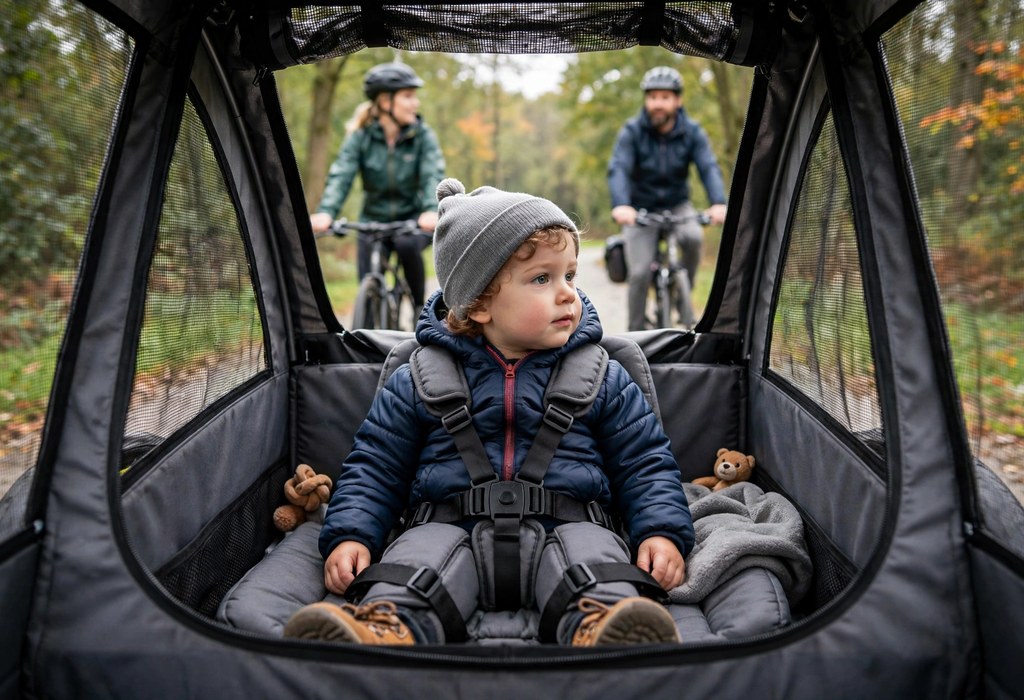
Safety Profile Compared
Trailers generally earn higher safety marks because their structure absorbs impacts independently from your bike. Their low riding position also reduces the chance of serious falls. Still, a properly installed seat remains a reasonable choice for careful riders.
Crash and Tip-Over Protection
A bike trailer surrounds your child with a sturdy roll cage and flexible fabric shell. If your bike tips over, the trailer usually stays upright on its own wheels. This separation dramatically lowers your child injury risk in common accidents.
By contrast, a mounted seat moves exactly where your bike moves during a fall. Your child therefore shares every impact risk that you face. Following proven baby bike seat safety guidelines reduces those risks through proper installation, secure straps, and helmets.
Harness and Restraint Systems
Most trailers secure children with a padded 5-point harness similar to a quality stroller. The harness distributes crash forces across strong body areas like shoulders and hips. It also prevents wiggly toddlers from leaning out during the ride.
Baby bike seats also include safety harnesses, though coverage varies between designs. Always tighten the straps snugly and check them before every ride.
Visibility and Traffic Presence
These trailers ride close to the ground, so drivers notice them less easily than an upright rider. A tall safety flag and reflective trim significantly improve their road visibility. Additionally, many trailers include lights or reflective strips around the body.
Seats place your child higher, nearly at driver eye level, which boosts visibility. Your child sits directly in front of or behind you in plain sight. Consequently, motorists tend to register seated children more quickly.
Storage, Portability, and Daily Use
Trailers win on cargo capacity, since most include built-in storage behind the child compartment. You can easily carry groceries, diaper bags, toys, and snacks. Meanwhile, a seat leaves your bike nearly unchanged for parking and locking.
For portability, however, a baby bike seat is lighter and far easier to store. It removes in minutes and hangs neatly in a garage or apartment. The trailer, however, demands more floor space even when folded flat.
Many trailers also convert into strollers with an inexpensive accessory kit. Therefore, one purchase can serve both cycling trips and neighborhood walks. This dual purpose saves both money and garage space.
Age Suitability and Weight Limits
Pediatric guidance generally advises waiting until your baby reaches twelve months before any bike ride. Both trailers and seats require strong neck control and independent sitting ability. When choosing a seat, comparing front vs rear baby bike seats guides you to the right mount.
Trailers typically support heavier loads and often carry two children at once. Their higher weight limit extends usable years well into the preschool period. A mounted seat usually accommodates one smaller child and reaches its limit sooner.
Check the manufacturer weight limit before buying either option. Exceeding it compromises stability, braking, and structural safety. Respect those ratings on every single ride.
Weather Protection and Comfort
Enclosed trailers shield children with a cabin, mesh screens, and a waterproof weather cover. Rain, wind, sun, and road debris stay outside while airflow continues inside. This protection makes trailers comfortable for longer outings in variable conditions.
Seats expose your child directly to the weather with minimal coverage. Cold wind can chill small riders quickly on longer routes. Nevertheless, seats allow easier conversation and snack sharing during the ride.
Children often nap more easily in the reclined, sheltered trailer cabin. The gentle rocking motion and dimmer interior encourage sleep on long rides.
Cost and Long-Term Value
Trailers usually cost more upfront because of their larger frame, wheels, and convertible features. Their longer usable life and two-child capacity, however, spread that investment over more years. Families with multiple young children often find this extended value worthwhile.
Baby bike seats cost less initially and need fewer replacement parts over time. They also attach to a bike you already own without major modifications. Consequently, seats suit budget-conscious families who ride occasionally.
Accessories like rain covers or stroller kits add modest extra cost over time. Still, the core trailer often outlasts two seat-sized children.
Which Option Suits Your Family?
Your riding environment should guide the final decision more than any single feature. City commuters with limited storage may prefer the compact seat. Meanwhile, trail riders and touring families benefit more from trailer stability and cargo room.
- Consider a bike trailer when: your rides run long, you carry two kids, or weather shifts quickly.
- Prefer a baby bike seat when: errands are quick, storage is tight, and traffic is busy.
Frequently Asked Questions
Are Bike Trailers Safer Than Bike Seats?
Yes, trailers generally protect better with their low center of gravity, enclosed roll cage, and secure harness.
At What Age Can a Baby Ride in a Bike Trailer?
Most experts recommend waiting until twelve months, when babies can sit upright and support their heads steadily.
Can a Baby Bike Seat Hold Two Children?
No, baby bike seats carry only one child, while many trailers safely accommodate two.
Do Bike Trailers Need a Safety Flag?
Yes, a tall safety flag makes the low trailer visible to drivers in traffic.
Which Is Easier to Store, a Seat or a Trailer?
A baby bike seat stores far more easily because it is lighter, smaller, and removes in minutes.
Conclusion
Both options open wonderful cycling adventures, but the right choice matches your routes, storage, and family size. A trailer delivers superior protection and versatility for committed riders. Start comparing models today and choose a setup that keeps every ride safe and joyful.