
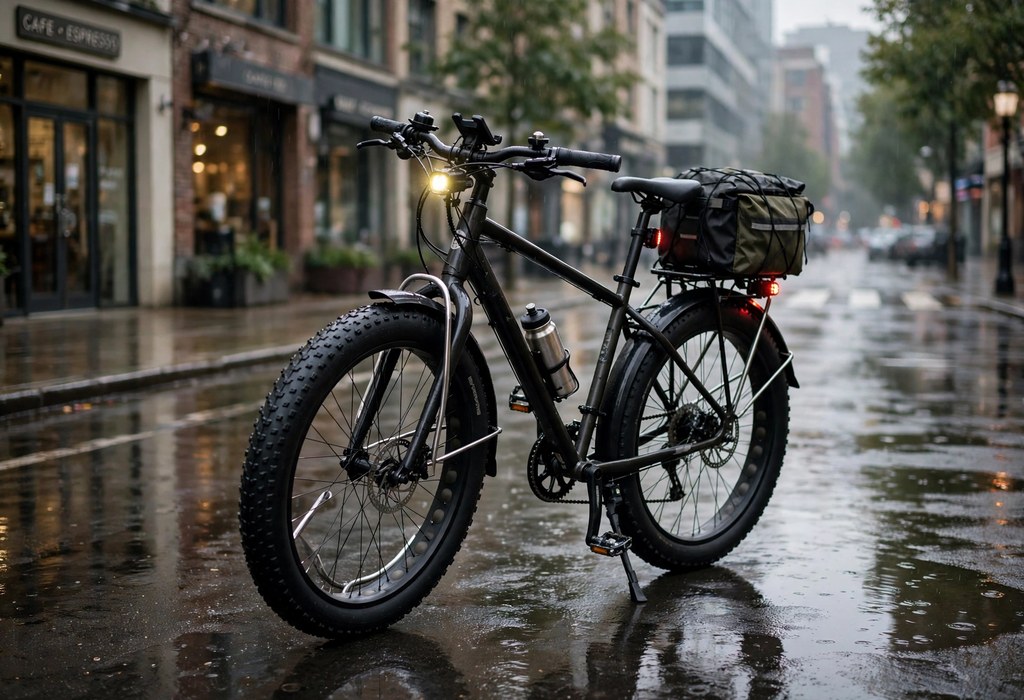
Choose a fat tire bike first by matching frame, tires, gearing, and mounts to your main ride. Commuters need practical mounts and moderate tread, while recreational riders need comfort and simple controls. Off-road riders need low gearing, aggressive tread, strong brakes, and generous tire clearance.
First, name your primary use case honestly before you compare any single component or accessory. Additionally, check frame material, fork type, drivetrain range, brakes, and everyday accessories together. This approach prevents mismatched parts and supports confident, comfortable riding on every route you choose. Finally, confirm fit briefly and schedule a proper test ride before you buy.
Choosing for Daily Commuting
Commuters ride pavement, wet streets, and broken surfaces during busy weekday trips. Therefore, you should prioritize reliability, visibility, and easy cargo carrying above maximum traction. Meanwhile, moderate tire tread rolls faster and still grips damp roads confidently.
Frame, Mounts, and Accessories
Choose an aluminum frame when you want low weight and strong corrosion resistance. However, choose a steel frame when you value smooth feel and long-term durability. Additionally, confirm the frame includes rack mounts and fender mounts before ordering.
- Rack mounts: For example, they let you carry panniers, work bags, and groceries without frame clamps.
- Fender mounts: They help you fit full fenders and stay cleaner on wet commutes.
- Integrated lights: Additionally, they improve visibility during early starts, late returns, and dull weather.
- Kickstand mounts: They simplify parking at offices, shops, stations, and crowded bike racks.
Tires, Gearing, and Motor Choice
For commuting, select moderate tread and puncture protection for daily pavement use. Additionally, this fat tire bike guide explains how tire width affects comfort, grip, and rolling speed. Moreover, pick a wide gear range when your route includes steep streets.
Commuters often choose a rigid fork for simplicity, low weight, and fewer moving parts. However, a suspension fork adds comfort when your streets carry deep potholes. Finally, add motor assistance when hills, distance, or heavy loads strain your legs.
Choosing for Relaxed Recreation
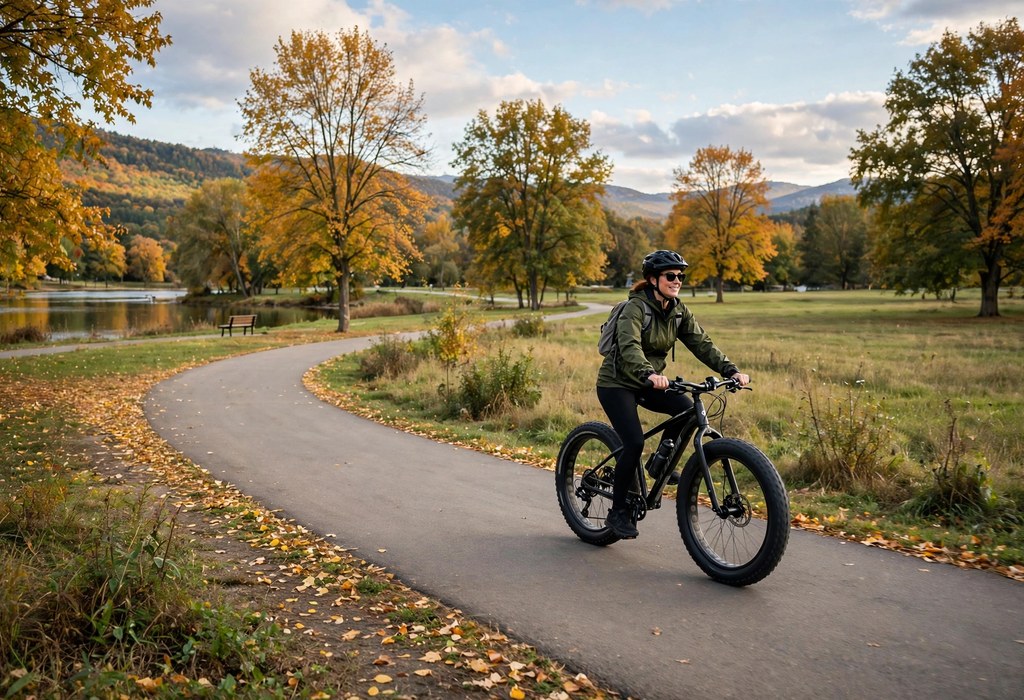
Recreational riders prioritize comfort, confidence, and easy handling over speed or cargo capacity. For example, wide tires cushion bumps and stabilize riders on park paths. Therefore, simple builds often suit weekend rides, beach paths, and neighborhood loops best.
Comfort, Simplicity, and Frame Feel
Choose an upright riding position when you want relaxed shoulders and clear sightlines. Additionally, select a step-through frame when you want easier mounting and dismounting. Meanwhile, aluminum frames keep recreational bikes manageable during storage and transport tasks.
- Simple drivetrain: For example, a single chainring reduces shifting confusion and routine maintenance needs.
- Comfort saddle: It supports longer casual rides without constant position changes or soreness.
- Relaxed handlebar: It keeps steering calm and helps new riders build confidence quickly.
- Rigid fork: Additionally, it cuts weight and suits smooth paths and gentle gravel.
Tires and Gearing for Easy Riding
Recreational riders should choose lightly treaded tires for mixed pavement and park surfaces. However, knobby tires add security when routes include sand, grass, or loose gravel. Moreover, moderate gearing covers gentle hills without overwhelming new or returning riders.
Many recreational riders skip motor assistance and enjoy lighter, simpler bikes instead. In contrast, motor assistance helps riders tackle headwinds, longer distances, and rolling terrain. Ultimately, you should match assistance to fitness, route distance, and personal confidence.
Choosing for Off-Road Riding
Off-road riders demand traction, control, and durability on sand, snow, and trails. For example, loose surfaces reward wide tires, low pressure, and aggressive tread patterns. Therefore, off-road builds differ sharply from commuter and recreational setups in key areas.
Traction, Clearance, and Fork Choice
Choose aggressive knobby tread when you ride mud, snow, sand, or rocky trails. Additionally, confirm generous frame clearance for mud, snow, and wider tire options. Meanwhile, a suspension fork improves control when trails include roots and rocks.
- Wide tires: They provide float on soft ground and grip on loose climbs.
- Strong disc brakes: For example, hydraulic brakes deliver consistent stopping power in wet conditions.
- Durable wheels: They withstand impacts, heavy landings, and repeated trail abuse confidently.
- Protective accessories: Additionally, mudguards and frame protection preserve components during harsh rides.
Low Gearing and Tough Drivetrain Choices
Off-road riders need low gearing for steep climbs and soft, dragging surfaces. Therefore, choose a wide-range drivetrain with a small chainring and large cassette. Moreover, simple one-by drivetrains reduce chain drops on rough and uneven ground.
Riders often add motor assistance for long climbs, deep sand, and remote routes. However, this fat tire bike pros and cons breakdown clarifies weight, effort, and maintenance tradeoffs clearly. Finally, prioritize strong brakes because descents demand control on loose, steep terrain.
Making the Final Decision to Choose a Fat Tire Bike
Motor or No Motor
Decide motor assistance last, after you settle frame, tires, and gearing priorities. For example, commuters value assistance during long, hilly, or heavily loaded trips. In contrast, recreational riders often prefer unassisted bikes for simplicity and lower weight.
Fit Check and Test Ride
Check fit briefly because comfort and control depend on correct frame size. Additionally, this fat tire bike sizing guide helps you compare standover, reach, and sizing charts. Therefore, use the maker’s size chart and confirm everything during a test ride.
Compare two or three finalists on your actual routes before you decide. Moreover, test brakes, shifting, steering, and comfort under realistic loads and conditions. Ultimately, the best choice matches your dominant ride, not occasional edge cases.
Frequently Asked Questions
What should I look for in a fat tire commuter bike?
Overall, prioritize rack mounts, fender mounts, integrated lights, moderate tread, and reliable disc brakes.
Is a fat tire bike good for recreational riding?
Yes, wide tires deliver comfort, stability, and confidence on park paths and beaches.
Do I need suspension on a fat tire bike?
Overall, only choose suspension when rough trails, potholes, or rocks dominate your regular riding.
Should I choose an electric fat tire bike?
Therefore, choose electric assistance when hills, distance, cargo, or headwinds regularly challenge your rides.
How do I know which fat tire bike size fits me?
Finally, check the maker’s size chart and confirm standover and reach during a test ride.
Conclusion
Your best fat tire bike matches your main ride, not marketing claims. Therefore, define your use case, compare key components, and shortlist suitable models today. Finally, book a test ride now and choose the bike you enjoy most.
You may also like
-
Fat Tire Bike Speed: What Affects Riding Speed and Performance?
-
Electric Fat Tire Bikes: How They Work, Key Features, and Benefits
-
How to Ride a Fat Tire Bike on Snow and Sand: Beginner Techniques
-
Fat Tire Bike Maintenance: A Seasonal Care and Repair Guide
-
Fat Tire Bike Pros and Cons: Benefits and Drawbacks for Everyday Riders