
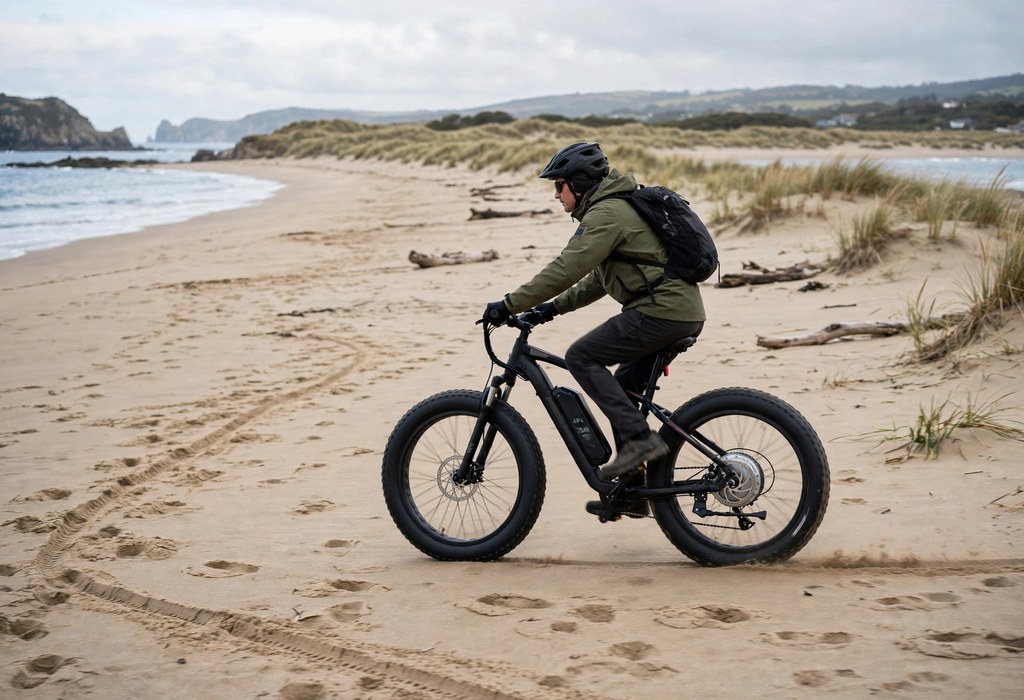
Electric fat tire bikes pair wide tires with motors, batteries, and sensors for assisted riding. Essentially, the motor adds power while you pedal, or through a throttle on some models. Together, these parts help riders cross snow, sand, and rough trails with less effort.
Additionally, fat tires spread weight across soft ground and improve grip on loose surfaces. However, wide tires also create extra rolling resistance during every ride. Therefore, electric assistance offsets that drag and keeps riding practical and enjoyable. This guide explains motors, batteries, assist modes, classes, and key benefits clearly.
How Electric Fat Tire Bikes Work
The Core Electric Fat Tire Bike System
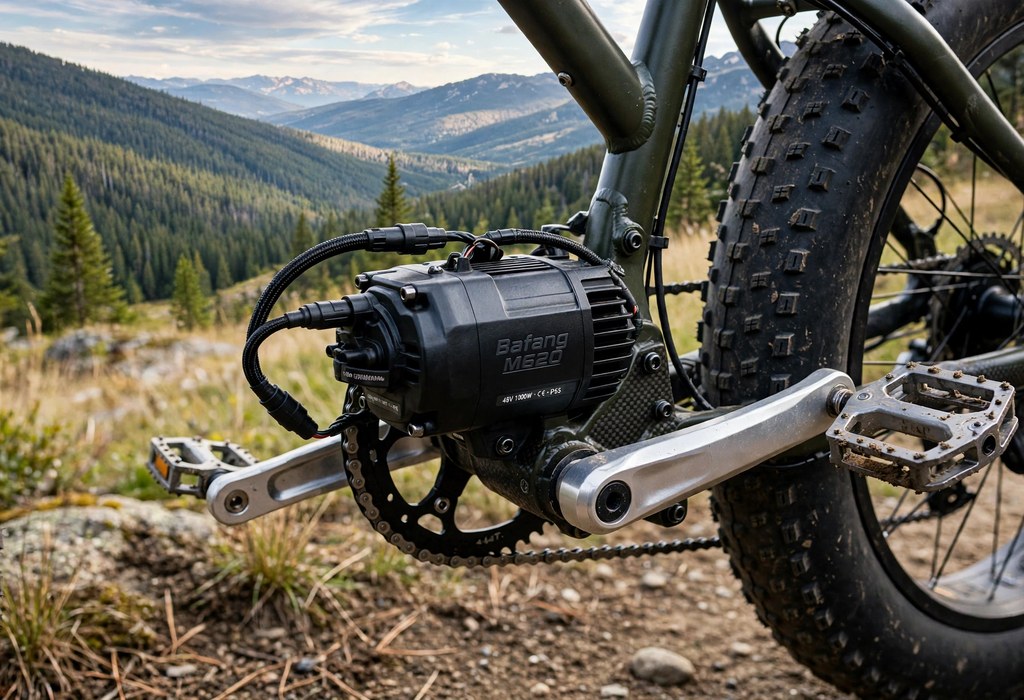
First, the battery stores energy and sends power to the motor through a controller. Next, the controller manages power flow based on your selected assist level. Meanwhile, the motor turns that energy into forward motion at the wheel or cranks.
How Sensors Control Assistance
Specifically, sensors tell the controller when and how strongly to assist you. A torque sensor measures how hard you push on the pedals. Consequently, torque systems match assistance closely to your actual pedaling effort.
Alternatively, a cadence sensor detects simple pedal rotation rather than pedaling force. As a result, cadence systems often feel more sudden during starts. Still, both sensor types help the motor respond smoothly and safely.
New riders often start by learning tire basics before comparing electric systems. fat tire bike guide explains core design ideas in simple terms carefully. Afterward, you can compare motors and batteries with much greater confidence.
Motor Systems Explained
Hub Motors
Hub motors sit inside the front or rear wheel hub directly. Additionally, they push or pull the wheel without using the gears. Because of this design, hub systems feel simple, quiet, and steady.
Mid-Drive Motors
Mid-drive motors sit at the cranks between the pedals centrally. Importantly, they drive the chain and use the bike gears directly. Consequently, riders gain stronger climbing torque in lower gears especially.
Moreover, central placement improves balance across rough and uneven ground. For example, mid-drives help riders climb steep and loose hills efficiently. Still, these systems can increase chain and gear wear over time.
- Best hub use: Excels on flat ground, beaches, and relaxed trail rides.
- Best mid-drive use: Climbs hills and tackles technical terrain very efficiently.
- Shared strength: Delivers useful torque across snow, sand, mud, and gravel.
Electric Fat Tire Bike Batteries, Power, and Range
Battery Capacity and Watt Hours
Battery capacity uses watt hours to show stored energy clearly. Additionally, higher watt hours generally support longer rides between charges. Manufacturers usually mount batteries inside or along the frame securely.
Meanwhile, removable batteries let riders charge indoors with greater convenience. Motor power uses watts, while torque describes twisting force precisely. Therefore, strong torque matters greatly during starts and steep climbs.
What Really Affects Range
Range varies widely with terrain, assist level, and rider weight. For example, deep sand and steep hills drain batteries very quickly. Similarly, heavy throttle use consumes far more energy than pedaling.
Fat tires often run very low pressures for grip and flotation. However, low pressure increases rolling resistance and reduces total range. Consequently, riders should treat published range figures as estimates only.
Assist Modes and E-Bike Classes
Pedal Assist and Throttle Modes
Pedal assist adds motor power only while you keep pedaling. Additionally, riders choose assist levels from gentle support to strong boost. Lower levels feel natural and preserve battery charge much longer.
Speed shapes both safety and battery use on every ride. Understanding fat tire bike speed helps riders link pace with control. Afterward, riders can select assist levels with greater awareness and confidence.
Meanwhile, a throttle delivers power without any pedaling at all. For instance, throttles help riders start smoothly on hills and sand. However, throttle riding drains batteries faster than pedal assist usually.
Class 1, Class 2, and Class 3
E-bike classes group bikes by assist style and assisted speed. Importantly, local rules decide where each class can ride legally. Therefore, riders should check trail and road rules before riding.
- Class 1: Provides pedal assist only and assists up to 20 mph.
- Class 2: Adds a throttle and limits assistance to 20 mph.
- Class 3: Provides pedal assist only and assists up to 28 mph.
Key Features That Matter Most
First, consider motor placement, torque output, and sensor type together. Next, compare battery watt hours, placement, and removability carefully. Finally, check display clarity, gearing range, and brake strength closely.
Displays, Controllers, and Gearing
Displays show speed, battery level, distance, and selected assist mode. Additionally, controllers let riders change assistance quickly during each ride. Meanwhile, wide gearing helps mid-drive motors climb without excessive strain.
- Torque sensor: Matches assistance to pedaling force for smoother control overall.
- Cadence sensor: Detects pedal rotation and delivers assistance at selected levels.
- Integrated lights: Improve visibility during commuting, touring, and evening trail rides.
- Hydraulic brakes: Control heavy bikes confidently on descents and loose surfaces.
Benefits of Pairing Motors With Fat Tires
Motors offset the extra rolling resistance of wide tires directly. As a result, riders maintain momentum across snow and sand easily. Additionally, assistance reduces fatigue during long rides and steep climbs.
Riders choose electric models for many different riding goals today. Learning to choose a fat tire bike helps match motors to terrain. Afterward, riders can balance power, range, and handling more effectively.
For example, electric help makes headwinds and soft surfaces far less discouraging. Moreover, riders can carry gear and still climb hills comfortably. Ultimately, the pairing expands access for riders with varied fitness levels.
- Soft-surface confidence: Maintains traction and momentum where narrow tires stall quickly.
- Hill support: Adds torque that helps heavy bikes climb steadily and safely.
- Longer adventures: Extends practical distance without removing enjoyable pedaling exercise entirely.
Frequently Asked Questions
How does an electric fat tire bike work?
A battery powers a motor, while sensors and controllers regulate assistance as you pedal.
What is the difference between hub and mid-drive motors?
Hub motors power the wheel directly, whereas mid-drives use the cranks and gears.
How far can an electric fat tire bike go?
Range varies widely because terrain, assist level, weight, and tire pressure change energy use.
Do electric fat tire bikes have a throttle?
Some models include throttles, while class 1 and class 3 bikes use pedal assist only.
Are electric fat tire bikes good on snow and sand?
Yes, wide tires provide flotation and grip, while motors maintain momentum across soft surfaces.
Conclusion
Electric fat tire bikes combine traction, torque, and adaptable assistance beautifully. Additionally, smart motor and battery choices make every ride more capable. Therefore, riders should match class, sensors, and range to their terrain.
Start by comparing motor types and testing assist modes near home. Then choose your favorite model and plan your first electric adventure today.
You may also like
-
How to Choose a Fat Tire Bike for Commuting, Recreation, and Off-Road Riding
-
Fat Tire Bike Speed: What Affects Riding Speed and Performance?
-
How to Ride a Fat Tire Bike on Snow and Sand: Beginner Techniques
-
Fat Tire Bike Maintenance: A Seasonal Care and Repair Guide
-
Fat Tire Bike Pros and Cons: Benefits and Drawbacks for Everyday Riders