
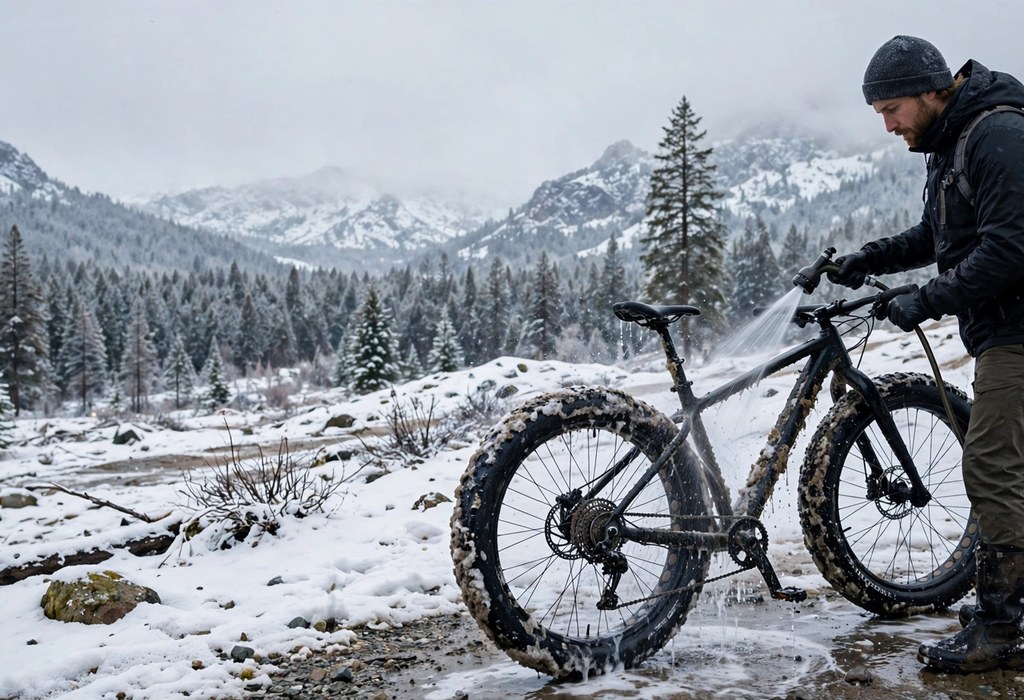
Fat tire bike maintenance keeps a fat bike reliable through simple seasonal cleaning, lubrication, and inspection routines. Additionally, you adjust care for spring mud, summer sand, fall rain, and winter salt. Therefore, you prevent drivetrain wear, brake problems, and costly bearing damage before rides suffer.
For example, our fat tire bike guide explains the basics before you start seasonal work. Moreover, wide tires and wide-specific hubs demand extra attention beyond standard bike care. Meanwhile, small checks after every ride save you long repairs later. Finally, you build each season around cleaning, drying, and careful part checks.
Spring Fat Tire Bike Maintenance for Mud and Wear
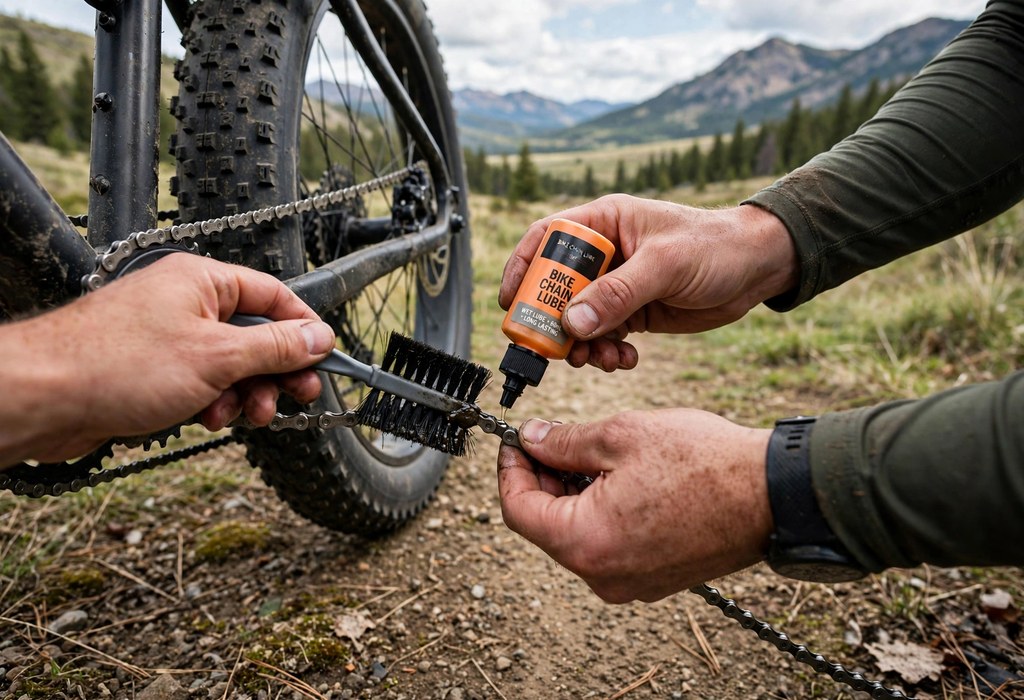
Spring riding brings mud, standing water, and hidden grit onto every moving part. Additionally, you wash the frame gently and avoid blasting bearings with strong water pressure. Then, you inspect the frame closely for chips, cracks, and early corrosion spots.
Spring Drivetrain and Chain Care
First, you scrub the chain, cassette, and chainring with a brush and degreaser. Next, you rinse away grit and dry the chain completely before adding lube. However, you wipe away excess lube so fresh grit cannot form grinding paste.
- Chain wear check: You measure stretch regularly and replace worn chains before cassette damage grows.
- Pulley cleaning: You clear packed mud from derailleur pulleys for crisp, quiet shifting.
- Cable check: You inspect housing for cracks and replace frayed cables promptly.
Spring Tires, Sealant, and Bearings
Meanwhile, you check wide tires closely for cuts, embedded debris, and sidewall wear. Additionally, tubeless sealant dries out over months, so you top up sealant now. Finally, you spin each wheel and feel for rough, gritty hub bearings.
Additionally, you tighten loose bolts gently and confirm wheels spin true. For example, you check headset play and steering smoothness before longer rides. Then, you note worn parts and schedule replacements before summer mileage builds.
Summer Maintenance for Sand and Heat
Summer trails add dry dust, loose sand, and strong heat to every ride. However, sand damages parts fastest because grains grind chains, pads, and seals. For example, you review fat tire bike tire pressure briefly before beach and trail rides.
Summer Fat Tire Bike Cleanup and Lubrication
After beach rides, you rinse salt and sand off the complete bike promptly. Additionally, you brush sand from the cassette, chainring, rotors, and tire treads. Then, you dry everything fully and apply lighter lube for dusty conditions.
- Rotor care: You clean rotors with suitable cleaner and keep lube away always.
- Pad inspection: You check brake pads often because sand accelerates pad wear quickly.
- Storage habit: You store the bike indoors, away from direct sun and heat.
Meanwhile, heat thins some lubes, so you check the chain more often. However, you avoid overlubrication because sticky lube traps dust and accelerates drivetrain wear. Finally, you wipe tires down and inspect treads after rocky summer rides.
Fall Maintenance and Cold Weather Prep
Fall brings wet leaves, early frost, and shorter daylight for most riders. Therefore, you deep clean the bike before cold weather locks grime in place. Moreover, you refresh worn parts now instead of facing midwinter failures later.
Fall Fat Tire Bike Brakes, Cables, and Tires
First, you squeeze each brake lever and confirm firm, consistent stopping power. For example, riders who build a fat tire bike from scratch often refresh cables during fall. Finally, you inspect tires again and plan studded tires for icy routes.
- Brake pad swap: You replace thin pads and bed new pads in carefully.
- Sealant refresh: You add fresh sealant because older sealant loses sealing ability.
- Light check: You test lights and reflectors before darker evening rides begin.
Additionally, you clean and dry the bike fully before any longer storage period. Moreover, you lube the chain lightly and inflate tires to normal levels. Then, you store the bike upright indoors, away from moisture and freezing drafts.
Winter Maintenance for Snow and Salt
Winter riding exposes your bike to road salt, slush, and freezing moisture daily. However, salt causes rapid corrosion on chains, bolts, cables, and steel parts. Therefore, you treat winter cleanup as essential care, never an optional extra.
Winter Fat Tire Bike Salt Cleanup and Corrosion Control
After every winter ride, you rinse salt and sand off with low pressure water. Additionally, you dry the chain fully, then you lube it against corrosion. Meanwhile, you wipe the frame down and check hidden areas for salt buildup.
- Fender benefit: You fit fenders and reduce salty spray reaching the drivetrain directly.
- Studded tire check: You inspect studs regularly and replace missing studs promptly.
- Indoor thaw: You bring the bike inside and let ice melt before cleaning.
For example, you check brake rotors for salt film before every winter ride. Additionally, you rinse the underside carefully because slush collects around the bottom bracket. Finally, you dry cables and pivot points, then you add protective lube sparingly.
Fat Tire Bike Maintenance and Repairs for Common Problems
Fat Tire Bike Chain, Brake, and Tire Repairs
First, you fix a dropped chain by shifting gently and guiding it back carefully. Next, you replace worn brake pads when braking feels weak or sounds gritty. Additionally, you patch tubes or plug tubeless punctures and seal small tire cuts.
Meanwhile, you carry basic tools and fix small problems before they grow. For example, you tighten loose bolts, adjust barrel adjusters, and reset slipped chains. Therefore, you finish most trailside repairs quickly and ride home safely afterward.
Hub, Bearing, and Drivetrain Repairs
Fat bike hubs and bottom brackets use wide-specific standards, so you order matching replacements. Moreover, you service rough hub bearings promptly because grit destroys races quickly. Finally, you seek shop help for pressed bearings and complex hydraulic brake bleeds.
Meanwhile, proper storage protects your work during breaks between riding seasons. For example, you clean the bike, dry it fully, and lube the chain. Then, you store it indoors and check sealant and tires monthly.
Frequently Asked Questions
How often should you lube a fat bike chain?
You lube the chain after cleaning and drying it, plus after wet or salty rides.
How do you clean a fat bike after winter riding?
You rinse salt off gently, dry every part, and lube the chain against corrosion.
How long does tubeless sealant last on a fat bike?
Sealant usually lasts several months, so you check levels regularly and top up promptly.
When should you replace fat bike brake pads?
You replace pads when material looks thin, braking weakens, or grinding noises appear.
Can you ride a fat bike on sand without extra care?
You can ride sand safely, but you must rinse grit away after every ride.
Conclusion
Overall, seasonal care keeps your fat bike quiet, safe, and ready in every season. Start today, clean your bike, check each system, and follow this seasonal routine. Finally, you will enjoy smoother rides and fewer repairs in every season ahead.
You may also like
-
How to Choose a Fat Tire Bike for Commuting, Recreation, and Off-Road Riding
-
Fat Tire Bike Speed: What Affects Riding Speed and Performance?
-
Electric Fat Tire Bikes: How They Work, Key Features, and Benefits
-
How to Ride a Fat Tire Bike on Snow and Sand: Beginner Techniques
-
Fat Tire Bike Pros and Cons: Benefits and Drawbacks for Everyday Riders