
The best baby bike seat depends on your child’s age, weight, and bike type. Meanwhile, a front-mounted seat suits younger riders who sit upright confidently. For toddlers, a rear-mounted seat with a higher weight limit suits longer rides.
Next, check your child’s age range and the seat’s listed weight limit. Weigh head support and harness design before comparing seat styles. Consequently, your shortlist will narrow to seats that truly fit.
This guide walks you through seat types by growth stage, then bike type. You will learn which features matter most and how baby bike seat safety guidelines guide every choice. Ultimately, the right match keeps every ride safe, comfortable, and fun.
Seat Types by Age and Weight Stage
First, every child must sit upright unassisted before using a baby bike seat. Pediatric guidance typically sets the starting point around nine to twelve months. Therefore, confirm your child’s development with your pediatrician first.
Indeed, age range and weight limit work together, so check both numbers. One seat may fit a tall toddler yet still exceed its safe load. Never stretch a weight limit just to delay an upgrade.
Front-Mounted Seats for Younger Riders
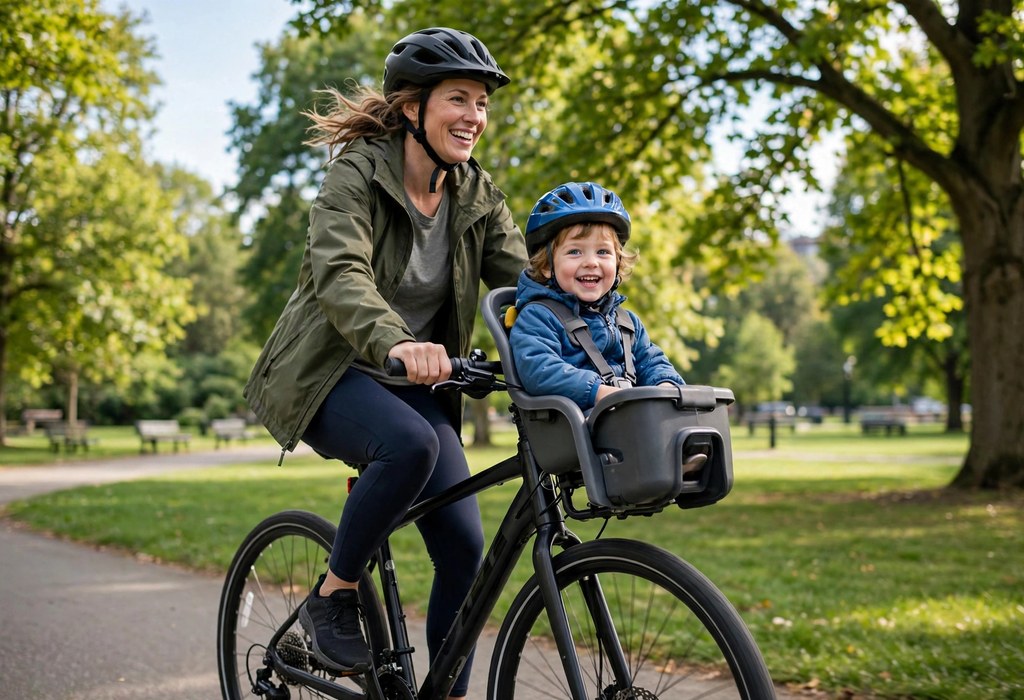
With a front-mounted seat, your child sits between your arms and handlebars. As a result, you can watch your child and chat during rides. Generally, these seats carry children from nine months to about three years.
Weight limits usually top out near thirty-three pounds for front designs. By contrast, the compact size keeps steering light for short city trips. Before choosing, compare both positions in this front vs rear baby bike seats.
Extra head support matters most for riders under eighteen months. Tall backrests cushion the neck when little heads grow heavy. Additionally, padded side wings limit side-to-side movement on turns.
Rear-Mounted Seats for Toddlers and Preschoolers
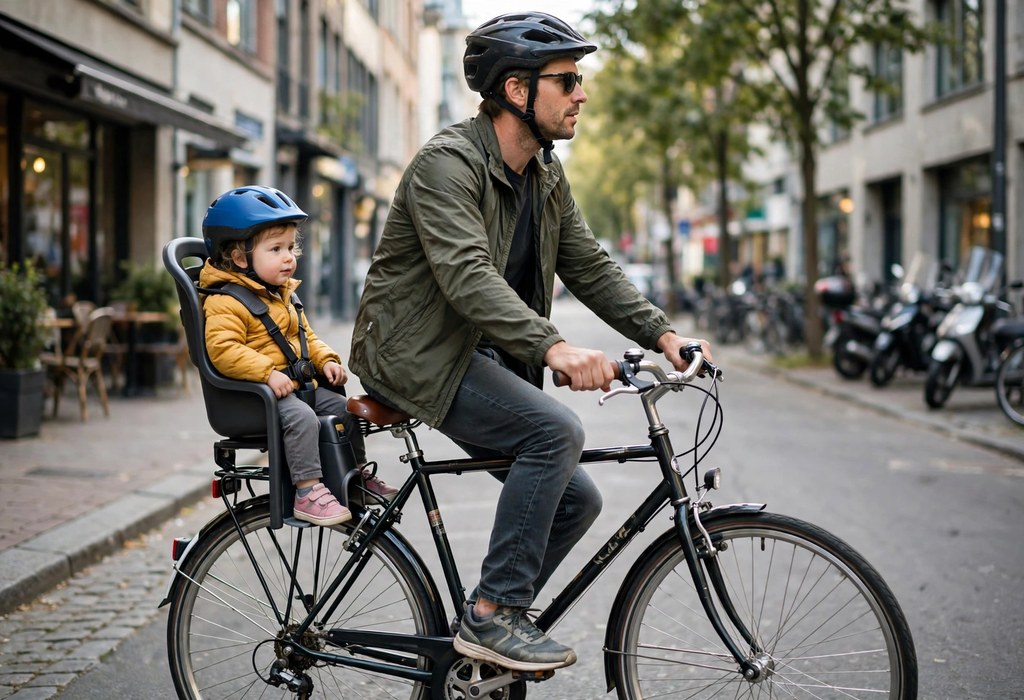
Mount a rear seat over the rear wheel or on a rack. Many designs support children up to roughly fifty pounds. Hence, these seats suit toddlers and preschoolers needing legroom.
Older children gain more padding and a roomier riding position. Still, you cannot see your passenger, so check in often. Practice loading and balancing in a quiet lot before traffic rides.
Several rear models include a reclining seat for on-the-go naps. A gentle tilt keeps a sleeping toddler’s head from dropping forward. Adjust the recline only while stopped, never while rolling.
When Your Child Outgrows a Seat
Watch for the maximum weight stamped on the seat frame. Similarly, check that the harness still rests at shoulder level. Once you reach either limit, move to the next option.
Likewise, helmet clearance shrinks as your child grows taller. Footrests should sit below the knees without forcing bent legs. Clearly, cramped legs signal that upgrade time has arrived.
Key Features That Matter Most
Features decide how safe and pleasant each ride feels. Focus first on protection, then comfort, then convenience extras. Otherwise, skip gimmicks that add weight without real benefit.
Importantly, prioritize certified construction and sturdy mounting hardware. Thick shells resist flexing under a shifting child’s weight. Small details, like rounded edges, prevent scraped fingers too.
Harness Systems and Head Support
Look for a 5-point harness that anchors shoulders, hips, and chest. Adjustable straps should tighten evenly without pinching soft skin. Furthermore, a quick-release buckle must resist curious toddler fingers.
At the same time, head support keeps a sleepy child from flopping sideways. Side walls also shield little hands from spinning spokes. Wrap-around shells, for example, add protection during sudden stops.
Foot straps keep small feet clear of the rear wheel. Spoke guards add a second layer of protection behind. Together, these details prevent the most common seat injuries.
Recline, Padding, and Suspension
Choose a reclining seat so napping riders rest at a safer angle. In turn, multiple recline positions ease the ride for drowsy toddlers. Plus, thick padding cushions bumps on longer outings.
Built-in suspension smooths rough pavement and gravel paths effectively. Even so, basic foam handles smooth bike lanes well. Match the suspension to the roads you ride most often.
Matching a Seat to Your Bike Type
Seat and bike must work as one stable system. Above all, run a full baby bike seat compatibility review before ordering any model. Different frames accept different mounts, so measure carefully.
City Bikes and Commuters
Upright city frames pair well with front and rear seats. Quick-release mounts help when you park and lock up. Removable seats, for instance, simplify storage in small apartments.
Notably, step-through frames offer extra clearance for front-mounted seats. Low top tubes make loading a rear passenger easier too. Test the full swing of your legs before committing.
E-Bikes and Cargo Bikes
E-bike compatibility matters because motor weight shifts handling. Rear rack seats usually balance better on heavier e-bike frames. Cargo bikes carry kids on long benches or dedicated seats.
Check the rack’s rated load before adding a child seat. Keep battery mounts and cables clear of brackets.
Front seats rarely suit e-bikes with swept-back handlebars. Limited cockpit space can crowd both rider and child. When in doubt, choose a rear setup for e-bikes.
Mountain Bikes and Trails
Full-suspension frames often lack the rack mounts a rear seat needs. Instead, frame-mounted options or trailers often fit better here. Rough trails demand better padding and a snug harness.
Unfortunately, suspension seatposts can conflict with certain clamp-style mounts. Verify clamp diameters against your seatpost and frame tubes. Short, smooth trails suit beginners better than technical descents.
Quick Buying Checklist
Use this quick checklist before you commit to a purchase. Finally, recheck every item against the manufacturer’s printed specs.
- Child size: confirm upright sitting and helmet clearance before buying.
- Load rating: choose a seat rated safely above your child’s current weight.
- Attachment: match the mount to your frame and rack design.
- Bike type: verify fit for city, e-bike, mountain, or cargo frames.
- Comfort: lastly, confirm recline, padding, and suspension for longer rides.
Frequently Asked Questions
What Age Can a Baby Start Riding in a Bike Seat?
Most experts recommend waiting until nine to twelve months, when the child sits upright unassisted.
Is a Front or Rear Baby Bike Seat Safer?
Both meet the same safety standards, so choose the seat you install correctly.
How Much Weight Should a Toddler Bike Seat Handle?
Pick a seat rated above your child’s weight, typically up to fifty pounds for rear models.
Can I Use a Baby Bike Seat on an E-Bike?
Yes, provided the rack and frame support the combined load and the mount clears electrical components.
Does My Child Still Need a Helmet in a Bike Seat?
Always buckle a properly fitted helmet on every ride, regardless of seat style.
Conclusion
Your ideal seat grows with your child and matches your bike. To begin, check the age range, confirm the weight limit, and compare mounts. Then test the fit at home before heading into traffic.
Ready to pick your setup with confidence? Now choose a seat that fits your child today and supports future rides.