

The cycling world is more diverse than ever. Whether you’re a weekend warrior or an everyday commuter, choosing the right bike isn’t just about style — it’s about purpose, performance, and experience. This article dives deep into Bike Types Explained: Road, MTB, Gravel & More, helping you make an informed decision based on your terrain, goals, and riding habits.
Road Bikes: Precision Meets Speed
Road bikes are built for paved surfaces and prioritize speed, agility, and efficiency. They feature lightweight frames, skinny tires, and drop handlebars that support an aerodynamic posture. These bikes are ideal for racing, long-distance rides, and fitness training.
According to Statista, over 44% of cyclists in the U.S. prefer road bikes for commuting and fitness. Their efficiency on pavement makes them unbeatable for covering miles quickly. However, they don’t handle well on unpaved trails or rough terrain. Riders seeking speed on flat or hilly asphalt roads will appreciate the precise gear ratios and stiff frames that convert every pedal stroke into momentum.
Professional opinions support their design for endurance and performance. Cycling Weekly explains that the geometry of a road bike naturally encourages faster rides due to lower drag and optimal cadence (source).
Mountain Bikes (MTB): Built to Conquer the Wild
When terrain turns technical and trails get steep, mountain bikes shine. MTBs come with wide, knobby tires, front or dual suspension systems, and flat handlebars for better control. They’re ideal for forest trails, rocky paths, and mountainous terrain.
There are sub-categories too — cross-country (XC), trail, enduro, and downhill bikes. Each caters to specific challenges. Trail bikes, for instance, strike a balance between climbing capability and descending stability, while downhill bikes focus entirely on steep, aggressive descents.
A survey from the International Mountain Bicycling Association (IMBA) found that 35% of MTB riders prioritize suspension and geometry over brand or price, highlighting the importance of fit and function over hype.
MTBs are heavy and slow on roads, but they excel in durability and ruggedness. That said, modern hardtail MTBs are increasingly used for urban commutes, showing their versatility when fitted with the right tires.
Gravel Bikes: The Swiss Army Knife of Cycling
Gravel bikes blend elements of road and mountain bikes. With drop bars like road bikes and wider tires for off-road traction, they can handle both tarmac and trails. These bikes cater to the growing demand for mixed-surface riding, often called adventure biking.
Their popularity is skyrocketing. BikeRadar reports that gravel bike sales increased 109% between 2020 and 2022 (source). Riders love them for bikepacking, touring, and exploring backroads.
What sets gravel bikes apart is comfort and versatility. Most models come with multiple mounting points for racks and bags, making them ideal for long-distance touring. Their geometry is more relaxed than road bikes, reducing fatigue over time.
Critics argue that gravel bikes don’t specialize in anything. They’re not as fast as road bikes nor as tough as MTBs. However, their adaptability is unmatched, offering a “one-bike-does-it-all” appeal that resonates with modern riders.
Hybrid Bikes: Comfort Meets Function
If you need a practical, everyday ride, hybrids might be your best bet. They combine features from road and mountain bikes — flat handlebars, upright posture, and mid-width tires. Ideal for city commutes, weekend rides, or errands, hybrids are popular among casual cyclists and beginners.
Their comfort-focused geometry and easy gearing suit short to moderate distances. However, they aren’t built for high performance or rough trails. Still, hybrid bikes are among the most sold categories globally, reflecting their broad appeal.
A National Bicycle Dealers Association report states that hybrid bikes account for nearly 30% of total bike sales in the U.S. Their low maintenance, affordability, and user-friendly design make them a smart option for many.
Electric Bikes (E-Bikes): Power-Boosted Performance
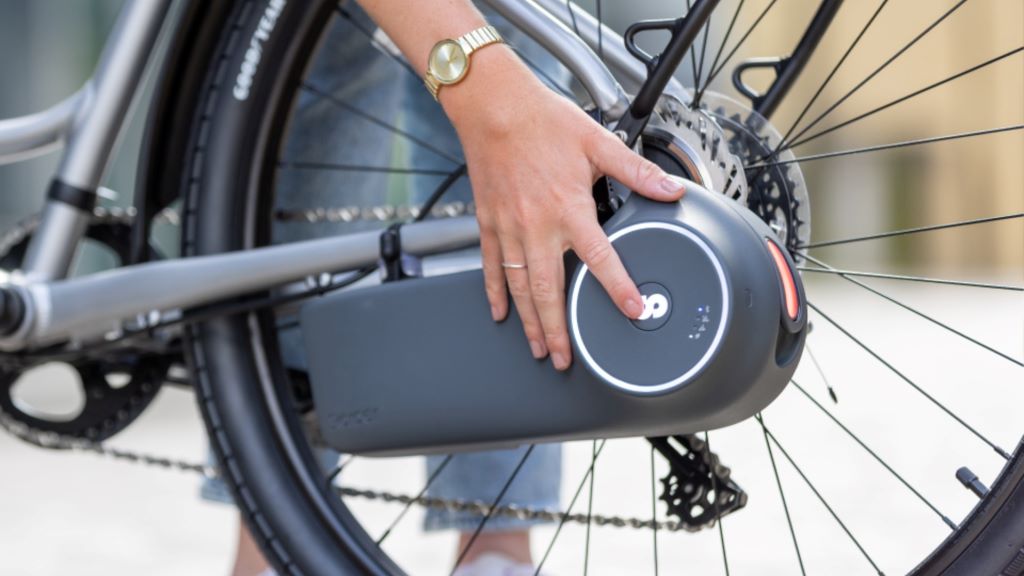
E-bikes are revolutionizing cycling. With integrated motors, they assist with pedaling, making climbs easier and distances more accessible. Available in road, MTB, hybrid, and cargo variants, e-bikes are for everyone — from older riders to daily commuters.
Urban usage is surging. According to Deloitte, e-bike sales will hit 130 million units globally between 2020 and 2025 (source). Many cities now promote e-bikes as alternatives to cars.
The biggest advantage? They reduce barriers to entry, making cycling more inclusive. Critics point to their higher price and maintenance needs. However, cost savings over fuel and parking quickly offset these downsides.
Touring Bikes: Long-Haul Champions
Built for distance, touring bikes have robust frames, relaxed geometry, and mounting points for racks and panniers. They’re optimized for comfort, not speed. Whether crossing a continent or just state lines, touring bikes offer unmatched reliability.
Touring setups can carry 40+ pounds of gear without affecting balance. Stronger wheels and steel frames absorb shocks and provide durability. While not the fastest, these bikes are engineered for resilience.
Touring bike enthusiasts praise their simple, repairable design. In remote areas without bike shops, that matters. You won’t find hydraulic disc brakes or carbon frames here — simplicity is the touring bike’s secret weapon.
BMX and Specialty Bikes: Niche but Notable
BMX bikes are compact, single-speed bikes used for stunts, tricks, or racing on dirt tracks. Their small size offers great maneuverability. However, they aren’t practical for distance or commuting.
Folding bikes, another specialty type, cater to urban dwellers. They collapse for easy transport in cars, subways, or offices. While not suited for speed or rugged trails, their convenience makes them popular in cities like Tokyo and London.
Fat bikes, with extra-wide tires, thrive on snow, sand, and loose terrain. They’re heavy but offer unique riding experiences that no other bike type can match.
Choosing the Best Bike Type for Your Ride: Expert Picks for Every Terrain And Lifestyle
FAQs
- What is the main difference between road and gravel bikes?
Road bikes are built for speed on smooth pavement, while gravel bikes handle rough surfaces and mixed terrain with ease. - Can a mountain bike be used on roads?
Yes, but it’s not efficient. Mountain bikes are heavier and slower due to their rugged design and wide tires. - Are hybrid bikes good for beginners?
Absolutely. Their upright position, stable handling, and versatile design make hybrids great for new riders. - What makes e-bikes different from regular bikes?
E-bikes include a motor to assist with pedaling, making rides easier, especially uphill or over long distances. - Is a gravel bike good for commuting?
Yes. Gravel bikes work well for commuting, offering comfort and the ability to handle potholes or rough roads. - What type of bike is best for long-distance touring?
Touring bikes are ideal. They support heavy loads, offer comfort, and are built to last over thousands of miles. - How do I choose the right bike type?
Consider your terrain, riding frequency, fitness goals, and whether you prioritize speed, comfort, or versatility.
Final Thought
Choosing the right bike is more than picking a frame or color. It’s about matching your goals to the bike’s strengths. Whether you’re drawn to the lightning speed of road bikes, the rugged spirit of MTBs, or the all-terrain promise of gravel bikes, your choice should reflect how and where you ride.
The cycling world continues to evolve with new technologies and designs. Understanding Bike Types Explained: Road, MTB, Gravel & More helps you ride smarter and further. Prioritize fit, purpose, and quality — and the perfect bike will take you places you never imagined.
Read More:
Bike Maintenance And Repair Tips for Cyclists: Expert Advice to Keep Your Ride Smooth and Safe
You may also like
-
Best Mountain Bikes of 2026: The Top Trail, XC, Enduro, Budget and E-MTB Picks
-
How to Create a Custom Build Inspired by Hutch BMX Classics
-
How to Ride a Very Velo Bike Efficiently on Hilly Roads
-
How to Choose MTB Frame Size: The Ultimate Guide for Mountain Bikers
-
Choosing the Best Bike Type for Your Ride: Expert Picks for Every Terrain And Lifestyle