

Cycling is more than a means of transport or a fitness trend—it’s a passion, a lifestyle, and for many, a daily necessity. Whether you’re a weekend warrior, a commuter, or training for a race, mastering the fundamentals can transform your entire cycling experience. This article shares essential cycling tips for all riders, rooted in expert advice, practical experience, and up-to-date research.
-
Choose the Right Bike for Your Needs
Not every bike fits every rider or every purpose. Road bikes are great for speed on pavement, while mountain bikes excel on rugged trails. According to Cycling Weekly, choosing the wrong type of bike leads to early fatigue and poor posture. Riders should visit a local bike shop for a proper fit and test different types before committing. Comfort always trumps aesthetics when it comes to long-term performance.
-
Learn Proper Bike Fit and Posture
A poorly adjusted saddle or handlebar causes knee pain, lower back strain, and hand numbness. Studies from the American Journal of Sports Medicine reveal over 60% of cyclists experience overuse injuries—many of which stem from improper bike fit. Ensure your saddle height allows a slight knee bend at the bottom of a pedal stroke. Your back should stay flat with a slight forward lean, reducing wind resistance while minimizing joint stress.
-
Don’t Skip Pre-Ride Safety Checks
A few minutes of pre-ride inspection can prevent hours of trouble. Always check the ABCs: Air in the tires, Brakes for responsiveness, and Chain for smooth movement. Cyclingnews.com emphasizes how routine checks prevent accidents and improve component longevity. Riders often overlook tire pressure; low pressure increases rolling resistance and leads to premature wear.
-
Wear the Right Gear—It’s Not Just for Looks
Cycling gear serves more than aesthetic purposes. Padded shorts reduce chafing and saddle sores. A good helmet reduces the risk of serious head injuries by 85%, as cited by the National Highway Traffic Safety Administration. Invest in breathable layers, reflective clothing for low light, and gloves to absorb vibration. Footwear matters too—clipless pedals enhance power transfer and efficiency on long rides.
-
Master the Art of Shifting Gears
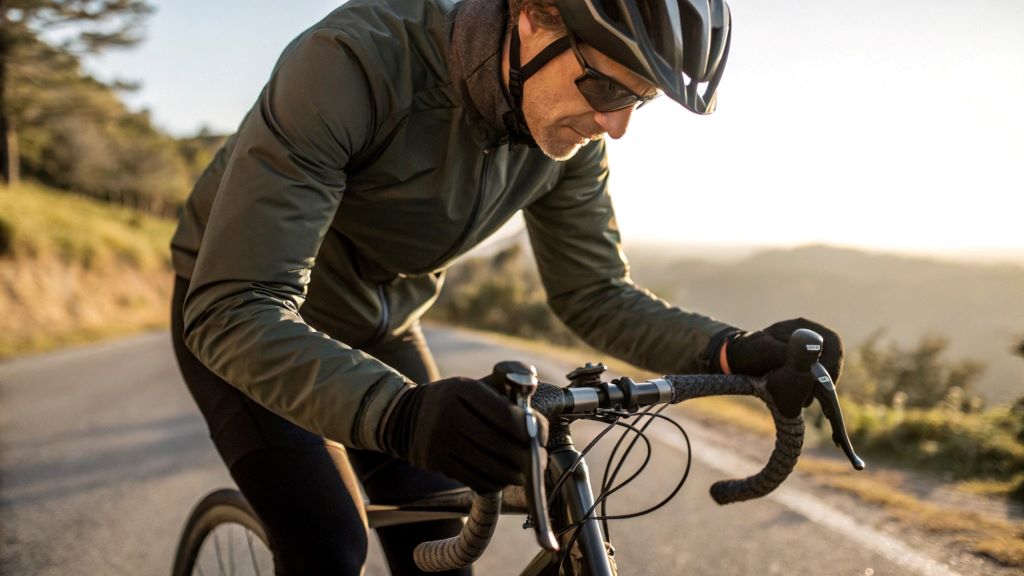
Many beginners pedal in too hard a gear, tiring themselves quickly. Shift early when approaching hills and anticipate terrain changes. Proper gear use saves energy and keeps your cadence—your pedaling rhythm—steady. According to professional coaches, maintaining a cadence of 80–100 RPM improves endurance and reduces muscular fatigue. Don’t wait until you’re grinding uphill; shift beforehand to maintain momentum.
-
Learn and Practice Group Riding Etiquette
Riding in a group saves energy—up to 40% in wind resistance. However, poor etiquette can lead to accidents. Always ride predictably, signal turns or stops, and maintain a steady pace. Don’t overlap wheels, and avoid sudden braking. Organizations like British Cycling offer group riding clinics that emphasize communication, spacing, and rotational drafting techniques. Respect is key on the road.
-
Hydration and Nutrition Matter More Than You Think
Dehydration reduces performance by up to 20%, even on short rides. Aim to drink every 15–20 minutes, more if you’re sweating heavily. For rides over 90 minutes, carbohydrates become essential. Energy gels, bananas, or electrolyte drinks maintain your stamina. Listen to your body—fuel regularly to avoid “bonking,” a cyclist’s term for energy depletion. Nutrition is not just for pros; it’s for every rider.
-
Understand Basic Bike Maintenance
Knowing how to fix a flat tire or adjust brakes isn’t optional—it’s survival. Carry a repair kit, tire levers, pump, and a multi-tool. According to REI, more than 50% of recreational cyclists abandon rides due to minor mechanical failures they could’ve fixed. Practice at home or attend local workshops. A clean, well-lubricated drivetrain not only rides smoother but lasts longer.
-
Respect Traffic Rules and Ride Defensively
Cyclists are vulnerable road users. Obeying traffic laws isn’t just legal—it’s life-saving. Ride with traffic, not against it. Use hand signals, and make eye contact with drivers when possible. Defensive riding means anticipating driver behavior and preparing for the unexpected. A 2023 report from the Insurance Institute for Highway Safety shows cyclist fatalities have increased, with most incidents happening in urban settings.
-
Build Strength and Flexibility Off the Bike
Cycling alone doesn’t make you fit—it makes you good at cycling. Cross-training with strength workouts improves power output and injury resistance. Yoga and stretching improve flexibility, posture, and recovery. Core strength, in particular, enhances stability on long rides. Experts from TrainingPeaks recommend two strength sessions per week for optimal performance, especially for aging cyclists.
-
Train Smart—Not Just Hard
More isn’t always better. Overtraining leads to burnout and injury. Use training plans that alternate intensity and rest. Apps like Strava or TrainerRoad offer structured programs that monitor performance and progress. Listen to your body—fatigue, irritability, and poor sleep are red flags. Progress comes from consistency, not exhaustion.
-
Adapt to Weather and Conditions
Cycling in wind, rain, or extreme heat requires special preparation. In wet weather, reduce speed, avoid painted lines, and brake early. In heat, ride early or late, wear light colors, and hydrate often. Wind? Tuck in and lower your profile. Adaptability is the hallmark of an experienced cyclist.
-
Set Realistic Goals and Celebrate Progress
Start with small, achievable goals: ride 20 miles, climb your first hill, or improve your average speed. Track your progress and celebrate each milestone. Motivation increases when you see results. Community rides or local events can give you something to train for and a sense of belonging.
-
Know When to Rest
Rest is where gains happen. Without recovery, your body breaks down. Prioritize sleep, active recovery days, and even complete rest weeks. Professional cyclists spend almost as much time recovering as they do training. Apply this wisdom to your routine for sustainable performance.
-
Keep It Fun
Don’t forget why you started. Ride new routes, try night rides with lights, or plan weekend tours. Join a local club or charity ride. Mix things up to avoid monotony. Joy sustains habits—cycling should excite you, not feel like a chore.
FAQs on Essential Cycling Tips for All Riders
- How often should I service my bike?
Every 3–6 months, or more frequently if you ride in rough or wet conditions. - What’s the ideal tire pressure?
It varies—road bikes typically use 80–120 PSI; mountain bikes use 30–50 PSI. Always check the tire sidewall. - Is cycling daily too much?
It depends on intensity and duration. Light daily riding is fine; intense training needs rest days. - What’s the best cadence to aim for?
80–100 RPM is ideal for endurance and joint health. Use a bike computer to monitor. - How do I prevent saddle sores?
Wear padded shorts, use chamois cream, and ensure proper saddle fit. - Can I cycle without clipless pedals?
Yes, but clipless pedals improve efficiency and control, especially on longer rides. - How do I improve uphill cycling?
Shift early, maintain cadence, and engage your core. Practice hill repeats weekly.
Final Thought
Cycling is as rewarding as it is demanding. Following these essential cycling tips for all riders empowers you to ride longer, safer, and stronger. Every detail—from hydration to gear choice—plays a role in performance and enjoyment. Whether you’re new to two wheels or chasing personal records, smart, intentional riding will always take you further.
By respecting your body, your bike, and the road, you’ll unlock not just better performance—but a lifelong love for cycling.
Read More:
Must-Have Bike Accessories And Gear for Every Rider
Bike Maintenance And Repair Tips for Cyclists: Expert Advice to Keep Your Ride Smooth and Safe
You may also like
-
Average Cycling Speed: What’s Normal for Everyone?
-
YT Industries Bike Size Chart (2026): How to Choose the Right Frame Size
-
Canyon Bike Size Chart (2026): Find the Perfect Canyon Bike Size
-
Felt Bike Size Chart (2026): How to Choose the Right Felt Bike Size
-
Specialized Bike Size Chart (2026): How to Choose the Right Specialized Bicycle